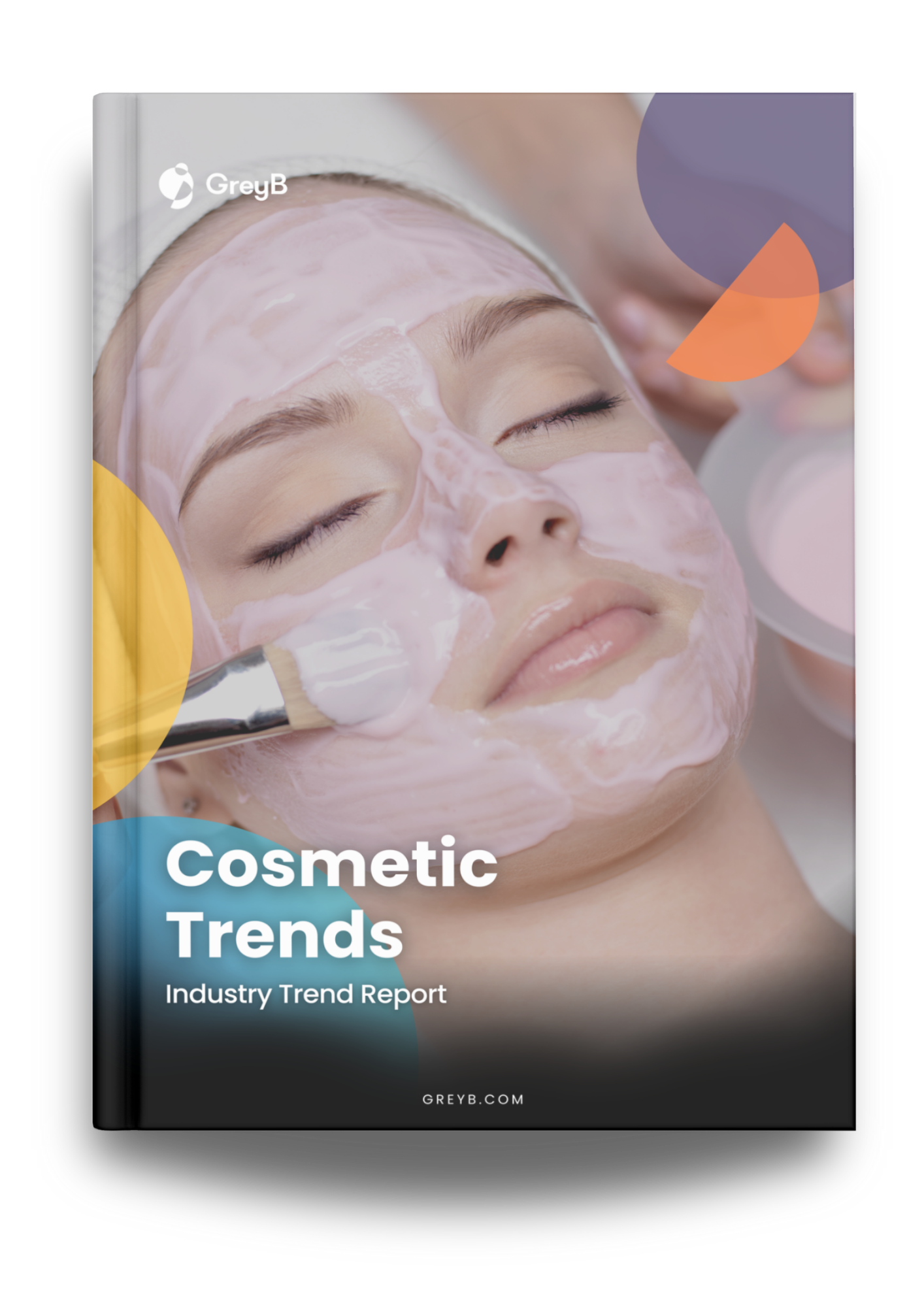
The future of cosmetics is moving toward a fusion of beauty, health, and intelligent technology. By 2026, products are expected to operate as adaptive health–beauty systems powered by diagnostics, data, and hyper-personalization. Several key trends are shaping this shift.
1. Technology-Integrated Wellness
Cosmetics are evolving into wellness tools supported by AI and biomarker analysis. Emerging systems use skin-imaging algorithms, protein-level detection, and wearable microfluidic patches to assess skin conditions in real time. This technology enables products that respond dynamically to individual health indicators.
Get more detailed insights
2. Biomarker-Driven & Metabolic Beauty
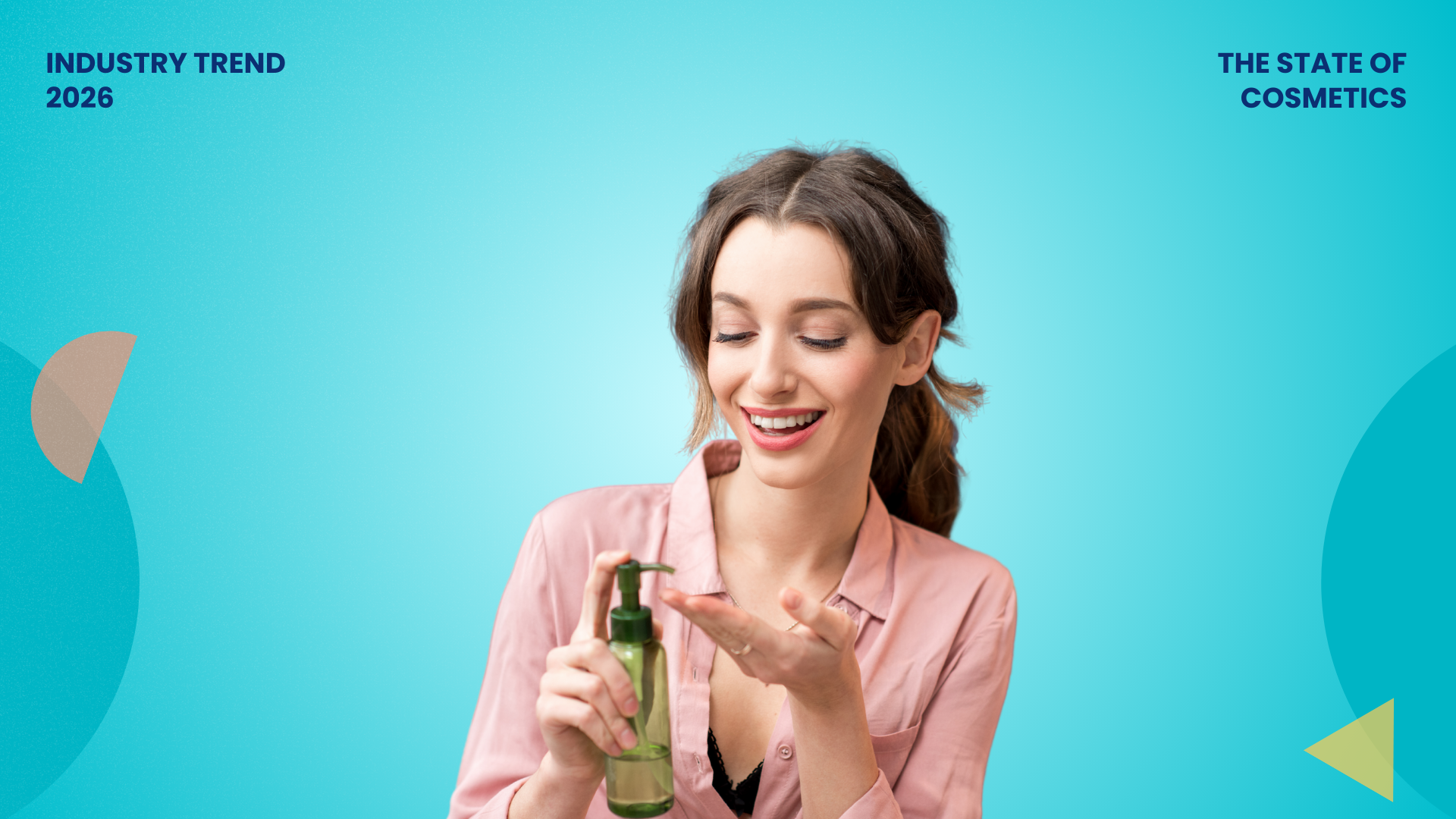
Skin, hair, and the microbiome are increasingly treated as windows into internal health. Research is advancing toward multi-omics platforms that integrate lipidomics, microbiome mapping, and genetic insights to create formulations tailored to a user’s biological profile. These solutions focus on restoring balance rather than offering surface-level improvements.
3. AI-Powered Personalization
Companies are deploying deep-learning engines and dermatology-based knowledge graphs to recommend highly specific treatments. With accuracy levels surpassing 90% in some skin-classification models, AI enables personalized routines that evolve based on continuous skin assessment and consumer data.
Get more detailed insights

4. Emotional & Sensory Beauty
Cosmetics are becoming experience-driven. Functional fragrances that regulate stress, AR/VR-based rituals, and advanced imaging technologies that validate product efficacy support a growing emphasis on emotional well-being. Beauty is shifting from aesthetics alone to complete sensory wellness.
5. Smart Diagnostic Devices
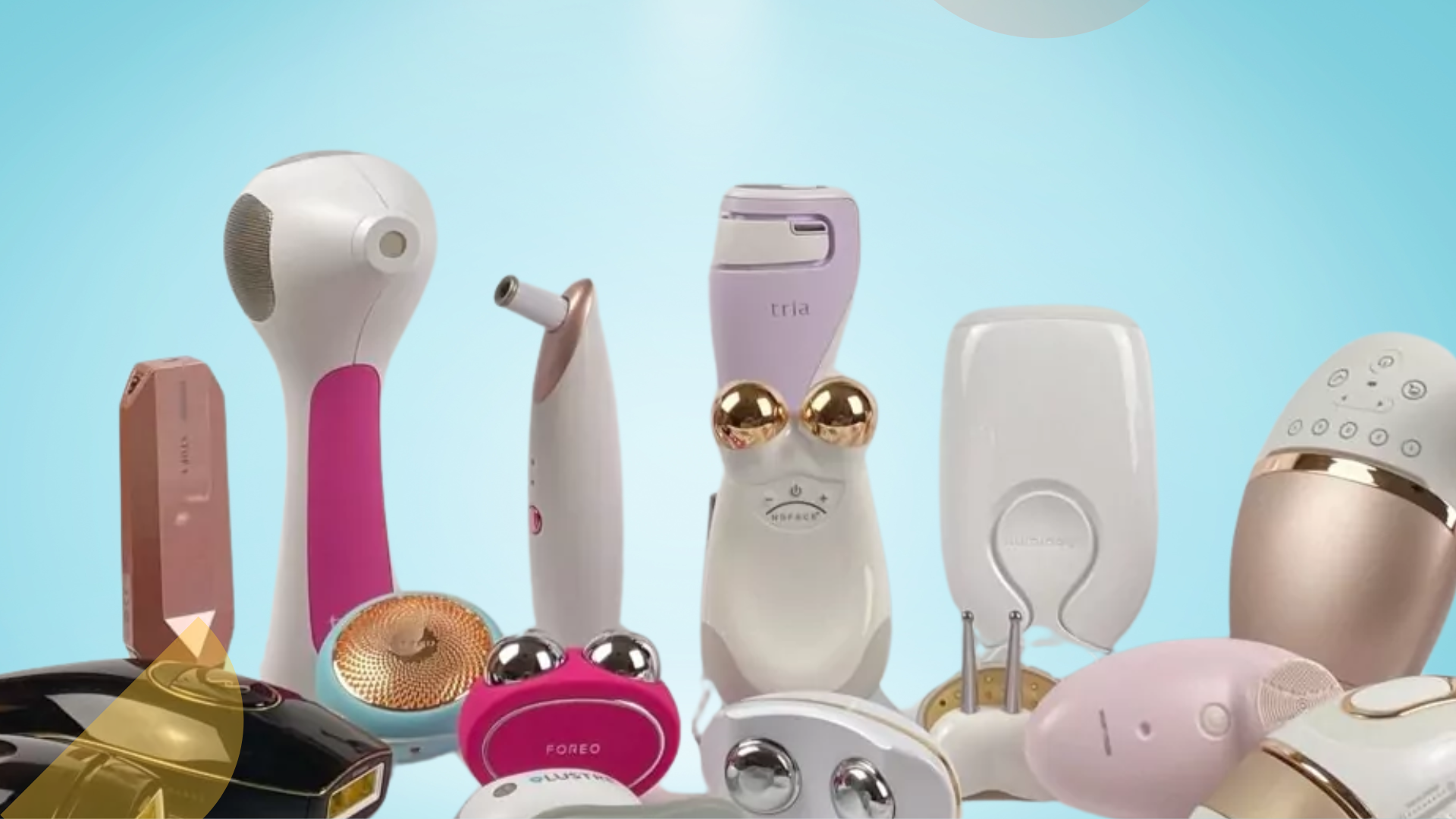
Portable skin analyzers, multi-sensor mapping tools, and galvanic-response systems are entering the consumer market. These devices provide laboratory-level readings at home, empowering users to monitor hydration, sebum levels, texture, and micro-changes in skin health.
Get more detailed insights
6. Digital-Twin Skin Models
A major frontier is the rise of digital skin “avatars” that continuously track and predict changes in the skin. These models help optimize product selection and allow brands to design adaptive formulations that adjust before skin problems arise.
Outlook
With a global market headed toward nearly $600–$680 billion by mid-decade, the industry is accelerating toward precision-engineered, evidence-based, and emotionally intelligent beauty. Cosmetics are no longer just topical products; they are becoming diagnostic, data-driven companions that blend health insights with personalized care.