



The textile industry emits 1.7 million tons of CO2 annually, accounting for 10% of global greenhouse gas emissions.
Clothing and textile waste occupies at least 7% of the global landscape. This has become a primary environmental concern. Rising consumer awareness and government pressure have prompted companies in this domain to research sustainable alternatives.
The Textile industry is witnessing numerous innovations, with a growing number of breakthroughs focused on sustainability.
This article explores innovations leading the sustainability in textiles.
Here are the 7 innovation trends in sustainable textiles:
1. Biodegradable textiles
The alarming reality that 92 million tons of clothing end up in landfills annually has fueled the textile industry’s strategic shift toward producing biodegradable clothes.
Biodegradable textiles address environmental concerns and align with the growing consumer preference for eco-friendly products. Companies incorporating these textiles are not only meeting regulatory standards but also strategically positioning themselves to fulfill market demand driven by conscious consumer choices.
Why are biodegradable textiles an upcoming trend?
- Versatility in Form: Biodegradable materials, such as mycelium, showcase remarkable adaptability. They can form hard, leather-like materials for various apparel and softer suede-like textures for clothing. Additionally, mycelium can be processed into composite fabrics suitable for insulation and technical textile applications. Its capacity to conform to desired shapes during growth further enhances its versatility.
- Reduced Carbon Footprint: Biobased synthetic fibers, which derive their raw materials from biomass, contribute to a reduced carbon footprint during synthesis. This environmentally conscious approach aligns with the broader goals of sustainable textile production.
- Health and Safety Considerations: Biodegradable materials, particularly those in direct contact with the skin, are less likely to cause irritation or allergic reactions than synthetic counterparts. Notably, materials like Mycelium fabric are non-toxic, waterproof, and fire-resistant, making them a safe and sustainable choice for everyday wear.
How are companies manufacturing biodegradable textiles?

Manufacturing fabrics from banana stems
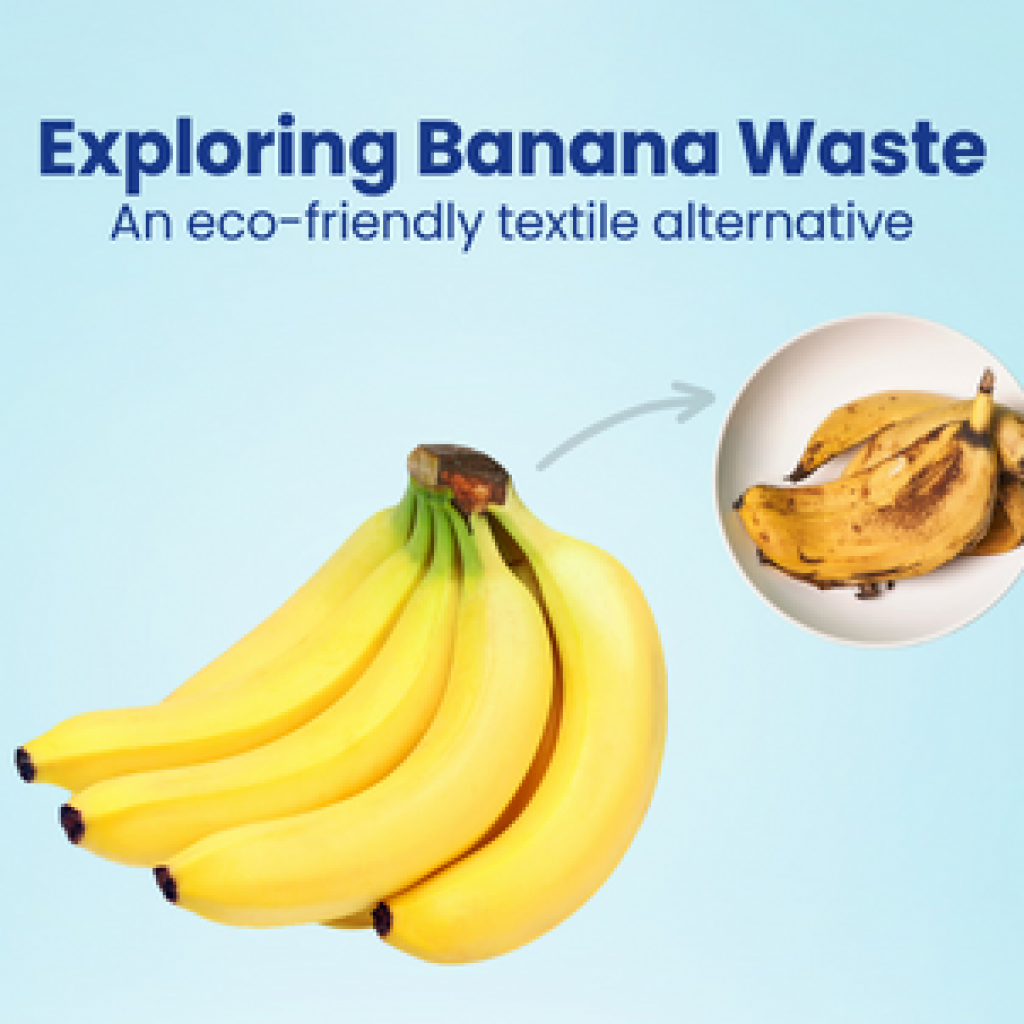
Shroff Industries, an Indian company, creates textured and patterned fabrics using agricultural waste, such as banana stems. They produce fibers, spin yarns, and weave fabrics using agri-waste.
Converting agricultural waste into eco-friendly textile fibers
The international sustainable fashion innovation platform, Fashion for Good, has launched the ‘Untapped Agricultural Waste Project‘ to validate and scale up technologies that convert agricultural waste into eco-friendly textile fibers.
Collaborating with six fiber innovators—AltMat, Bananatex, Chlorohemp, Agraloop by Circular Systems, HempTex India, and 9Fiber—the platform aims to explore natural fibers and blends derived from agricultural waste sources like rice husks, hemp, wheat straw, banana, and pineapple. The initiative focuses on assessing the technical feasibility of these natural fibers developed by the selected innovators.
Replacing furs and skins with natural sources
Across the world, researchers are achieving remarkable outcomes by harnessing natural sources, such as plant leaves and fruit waste, incorporating traditional wisdom, and employing advanced biotechnology techniques, including cultivating lab-grown microorganisms.
Their efforts are directed towards crafting sustainable materials for the fashion industry, ushering in alternatives to fur, leather, and skins. In doing so, they significantly reduce the environmental footprint of one of the planet’s most polluting industries.
Textiles with Fungi to recycle waste materials
Multiple companies worldwide are developing biodegradable textiles. For instance,
- Mycelium Made innovates textured fabrics using mycelium, employing mushroom leathers from Reishi and Amadou varieties.
- Another biotech startup, Mylium, utilizes mycelium to create high-tech, leather-like textiles, transforming waste streams into biobased, plastic-free materials.
- Notably, Bolt Threads and Ecovative introduce Mylo, their version of mushroom-based bio-leather.
- In collaboration with Utrecht University, Officina Corpuscoli, and Mediamatic, Neffa creates garments from MycoTEX, a textile crafted from mushroom mycelium.
Recent Collaborations in Biodegradable Textiles
- Zara, the renowned global fashion brand, teamed up with Renewcell to create an exclusive capsule collection crafted from Circulose®, a distinctive material made entirely from 100% recycled textiles.
- In partnership with Taiwan’s SINGTEX Group, Modern Meadow, a biotechnology firm based in New Jersey, has introduced BIO-TEX™ SHIELD to the market. These cutting-edge fiber membranes provide waterproof, windproof, and breathable protection, featuring an impressive 58% bio-based content.
- Spinnova, a sustainable textile company, and Renewcell, a textile recycling firm, have collaborated to produce fiber from recycled textile waste.
- Fiberpartner has partnered with Pond Global A/S, based in Aarhus, Denmark, to transform the development, production, and marketing of bio-based plastics for staple fibers.
- Advansa and Asia Pacific Fibers (APF) have partnered to introduce Remotion, a novel fiber crafted from recycled plastic bottles for the sports and activewear market. Remotion is considered biodegradable, with the threads breaking down in marine and landfill environments.
According to a Plug and Play report, 60-80% of dyes are carcinogenic. Therefore, the next immediate goal for the industry is to replace carcinogens from dyeing solutions.
2. Sustainable Dyeing

The World Bank Group has identified over 70 toxic chemicals that originate solely from textile dyeing processes. This alarming discovery has pushed government bodies worldwide to address the issue urgently.
However, with growing awareness and push from regulatory bodies, companies are researching and testing new methods for dyeing textiles.
Why is sustainable dyeing an upcoming trend?
- Biodegradable: Adopting plant-based dyes in textile production contributes significantly to environmental conservation. These dyes are biodegradable, eliminating concerns about pollution during disposal and aligning with sustainable manufacturing principles.
- Rich Color Palette: Sustainable dyeing enables the creation of a diverse, rich color palette from natural sources. These eco-friendly dyeing methods can produce soft and soothing hues, including red, yellow, brown, blue, black, green, and orange, offering designers and consumers a diverse range of options.
- Safety Assurance: Natural dyes, such as carmine, offer a safer alternative in terms of health risks. They pose no harm if ingested and contribute to a more environmentally friendly and health-conscious approach to dyeing processes.
- Functional Advantages: Many natural colorants offer additional functionalities to textiles beyond their coloring properties. These functionalities may include antimicrobial, insect-repellent, deodorizing, and UV-protective properties, enhancing the practicality and appeal of sustainably dyed fabrics.
- Energy Efficiency: Using plant-based dyes in the dyeing process reduces energy consumption across the production process. This energy efficiency aligns with broader sustainability goals, making sustainable dyeing an environmentally conscious choice for the textile industry.
How are companies transitioning from harmful dyes to sustainably sourced natural alternatives?
Brands like Modern Shibori, Sustain By Kat, California Cloth Foundry, Ziran, and California-based Harvest & Mill create naturally dyed clothing using organic, natural fibers and sustainably sourced plant dyes.
Using nature’s solutions
Companies like Archroma and Colorifix harness nature’s solutions to create technical innovations for sustainable textile coloration. Archroma uses agricultural waste to create its EarthColors® dye range. Colorifix uses microorganisms to grow color based on natural DNA codes from plants, animals, and insects applied to textiles without added chemicals.
Using naturally pigmented bacteria
Companies like TextileLab Amsterdam use naturally pigmented bacteria to dye natural and bioengineered textiles.
Impregnating dyes within the fiber
AirDye impregnates dyes within the fiber rather than on the fiber, using only a fraction of the water and energy compared to regular methods.
Recent Collaborations in Sustainable Dyeing
- Avient, a leading provider of specialized and sustainable material solutions, is collaborating with Coloro. This universal color system transforms the color landscape by decoding hues to align with the human eye’s perception, marking a groundbreaking advancement in color technology.
- Ginkgo Bioworks and Octarine Bio have partnered to propel the fashion industry toward sustainable alternatives to fossil-fuel-derived dyes.
- Italian ALBINI_next, Austrian Vienna Textile Lab, and the Albini Group innovation hub have initiated their collaborative project. This initiative focuses on the potential use of microbial colors for dyeing applications on cotton and other natural fibers.
- Third-year Elon engineering students are partnering with Solid State Clothing and TS Designs in Burlington. They are jointly focusing on developing optimal methods to preserve natural dyes.
- The collaboration between Pulcra Chemicals and Inditex‘s joint venture, ‘Sustineri Coloring,’ has introduced sustainability to the dyeing process. Sustineri Coloring prioritizes shorter processing times and reduced water and energy consumption.
Author’s note: Learn more about the future trends in sustainable dyeing technology.
3. Recycling Catalysts
Catalysts are indispensable agents in textile recycling, enhancing efficiency, selectivity, and overall effectiveness in converting used textiles into valuable recycled materials. Further, catalytic reactions such as photocatalytic oxidation, Fenton’s oxidation, enzymatic dye degradation, thermolysis, and coagulation are widely used to eliminate textile pollutants.
The ongoing research aims to identify the most efficient methods for eliminating these pollutants from textiles without compromising environmental integrity.
Why is using catalysis in textile recycling an upcoming trend?
- Anaerobic Digestion: Catalysts play a crucial role in anaerobic digestion, breaking down biodegradable material without needing oxygen. This method efficiently manages textile waste and, in some cases, can generate biogas, a valuable renewable energy source.
- Fermentation: Catalysts, including enzymes, drive chemical changes in organic substrates. In textile recycling, this process breaks down complex materials into simpler ones, facilitating efficient recycling.
- Composting: Catalysts play a role in the natural composting process, transforming organic material into a nutrient-rich soil conditioner. This method provides a sustainable approach to managing textile waste, aligning with environmentally conscious recycling practices.
- Fiber Regeneration: Catalysts are integral to fiber regeneration, in which textiles are broken down into their constituent fibers. These fibers can then be spun into new yarns and fabrics, showcasing the significance of catalysts in advancing textile recycling technologies.
- Thermal Recovery: Catalysts contribute to thermal recovery processes, where energy is reclaimed from waste materials through various thermal treatments. This approach recovers energy from non-recyclable textile waste in textile recycling, adding an environmentally friendly dimension to the recycling process.
- Circular Economy System: The rise of the circular economy across the EU and other countries has spurred the adoption of more sustainable practices. Using catalysts in textile recycling aligns with this trend, contributing to innovative recycling strategies that add significant value to textile and plastic waste within the circular economy framework.
How are companies improving their recycling methods while dealing with textile pollutants?
Using shredded cotton
Cotton Australia, a body of Australia’s cotton growers, initiated a trial. The trial aims to assess the potential of repurposing old cotton textiles to enhance soil quality on a farm in Goondiwindi, Queensland. The shredded cotton increased soil bacteria and fungi without affecting seed germination. However, tightly woven cotton pieces experienced substantial breakdown within 24 weeks.
Offering partnership opportunities
Many companies across the globe have been partnering with other firms to accelerate their recycling process with catalysts. For instance,
- CheckSammy and Retold specialize in collecting textile waste for a fee, similar to compost-collection services, and they offer potential partnership opportunities.
- Based in Belgium, Valvan N.V. specializes in high-tech sorting and baling systems and offers avenues for collaboration in the textile recycling sector.
- Operating from Austria, Andritz AG actively promotes fiber-to-fiber recycling technology. Through the integration of various technologies and strategic partnerships, they offer sorting and recycling systems, presenting opportunities for collaborative ventures.
Using post- and Pre-consumer fiber waste
Patagonia, H&M, and Lindex offer sustainable clothing crafted from recycled fibers. Pure Waste, a Finnish clothing company, produces t-shirts using recycled fiber in factories powered by 95% wind energy. Meanwhile, in Sweden, companies such as Lindex and H&M incorporate post- and pre-consumer waste fiber into their latest clothing lines.
Recent Collaborations for using catalysts for textile recycling
- The Agile BioFoundry (ABF), a US Department of Energy division, collaborates with the US tech company Protein Evolution on a groundbreaking project. This initiative explores the application of artificial intelligence (AI) and enzymes to effectively break down textile and plastic waste.
- Tokyo Metropolitan University‘s Professor Kotohiro Nomura and his research team have successfully developed two high-performance catalysts for the efficient synthesis of valuable chemicals from polyester and vegetable oil, including fine monomers.
- A key breakthrough was the discovery that heating a mixture of polyester and alcohol could yield exclusive raw materials. This research was part of Japan Science and Technology Agency’s (JST) Strategic Basic Research Programs and Strategic International Collaborative Research Program (SICORP). (source)
4. Polyester Recycling

As the athleisure trend continues to surge, polyester clothing consumption is projected to double by 2030. However, a mounting concern arises from the protracted timeline of polyester recycling, which ranges from 20 to 200 years.
Recognizing this critical environmental challenge, governments worldwide are implementing stringent regulations on waste management and sustainable practices. This regulatory momentum is compelling the industry to proactively seek and implement more efficient methods for textile recycling.
Why is polyester recycling an upcoming trend?
- Energy Efficiency: Polyester recycling requires less energy than producing virgin polyester, contributing to overall energy efficiency in the textile industry.
- Reduced Emissions: Polyester recycling reduces CO2 emissions, benefiting the environment and aligning with sustainability goals.
- Resource Conservation: Polyester recycling helps conserve natural resources by decreasing the need to extract crude oil and natural gas. These resources are essential in producing virgin plastic.
- Low Heat Consumption: The recycling process requires little heat, thereby preserving the structure and molecular weight of the plastic waste. This approach contrasts with other techniques that may require higher temperatures, thereby promoting more sustainable practices in the textile recycling sector.
How are companies restoring virgin-like raw materials?
Using low-energy recycling processes
CuRe Technology, a European company, offers an energy-efficient recycling solution for used polyester and PET, enabling infinite recyclability.
Converting back to virgin-like raw materials
- Worn Again, a company established in the UK through collaboration between Sulzer and H&M, is pioneering an innovative textile recycling process. This method transforms textiles back into raw materials that are nearly as virgin as the original.
- In the United States, the startup Refiberd employs a combination of AI, robotics, and its proprietary green chemical recycling technology to convert discarded textiles into new, reusable threads.
Offering partnership opportunities
Fashion for Good has launched the Full Circle Textiles Project to validate and scale promising technologies for polyester chemical recycling. The project is designed to foster financing and secure off-take commitments within the fashion industry.
This collaborative effort involves a consortium of stakeholders, including brands, innovators, supply chain partners, and catalytic funders.
Notable brand partners, including Adidas, BESTSELLER, C&A, PVH Corp., Target, and Zalando, are joined by affiliate partners Arvind Limited, the Fabrics Division of W. L. Gore & Associates, and Teijin Frontier.
Author’s note: Get an in-depth analysis of the upcoming trends in polyester recycling.
Recent Collaborations in Polyester Recycling
- US biological recycling company Protein Evolution, Inc. (PEI) has announced an R&D collaboration with Stella McCartney to transform unused polyester and nylon fabrics into products that are “good-as-new,” demonstrating a circular solution for the fashion industry.
- As part of its commitment to circular practices, sportswear company Lululemon has unveiled a new multi-year collaboration with Samsara Eco, a textile-to-textile recycling firm. This partnership aims to produce infinitely recycled nylon and polyester from Lululemon’s own products using Samsara Eco’s circular process.
- Sportstex and RadiciGroup, experts in sportswear and the circular economy, respectively, have partnered to recover polyester textile waste, including sports uniforms. Pure Loop, a specialist in recovery machinery, has been engaged to identify the best available technology for obtaining a new textile fiber.
- Zara has launched its inaugural collection from recycled poly-cotton textile waste in collaboration with Circ, a textile recycling firm. The fast-fashion retailer’s women’s apparel line addresses a significant industry recycling challenge by using recycled polyester and cotton fibers.
- Inditex has entered a three-year agreement to purchase textile-to-textile recycled polyester cycora® for over €70 million. Under this offtake deal, Inditex will acquire 70% of Ambercycle‘s recycled polyester production, sold under the Cycora brand, over the next three years.
- Teijin, JGC, and Itochu are set to collaborate on the chemical recycling of polyester textiles.
As discussions and consumer concerns regarding animal leather grow, various countries and brands are implementing bans on exotic animal skins. This shift has paved the way for plant-based leather to emerge as another upcoming trend in the industry.
5. Plant-Based Leather

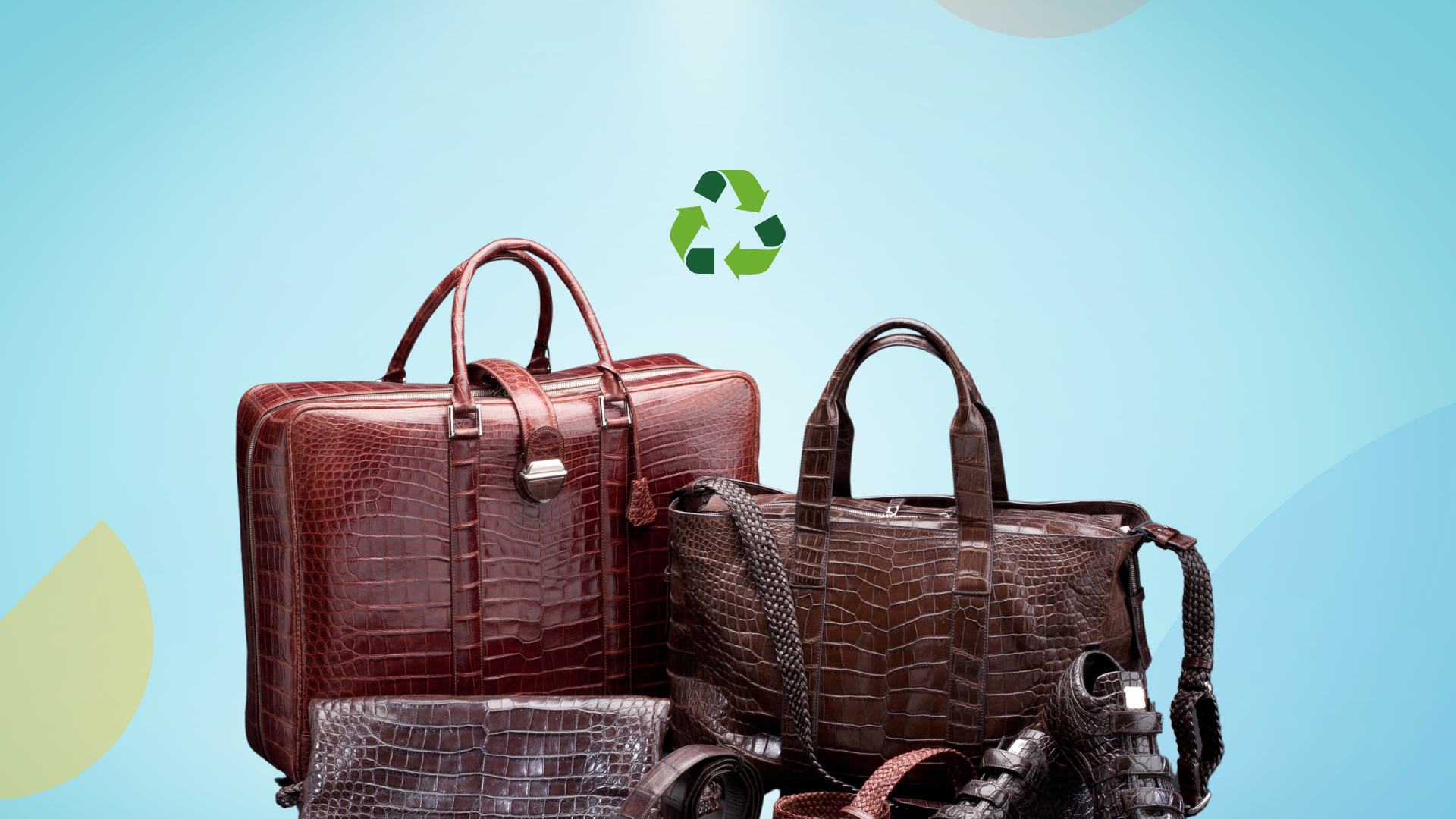
According to a recent market report, the plant-based leather market is projected to double by 2028, surging from 107 million USD to 216 million USD. This growth is attributed to the industry’s escalating demand for bio-based leather, with notable brands such as H&M and Adidas leading the charge.
The global adoption of plant-based leather reflects the broader trend toward sustainable and responsible business practices. This shift addresses environmental, ethical, and consumer-driven concerns by offering an eco-friendly alternative to traditional leather.
Why is plant-based leather an upcoming trend?
- No Animal Cruelty: Plant-based leather is produced without animal products, ensuring no animals are harmed or killed. This makes it a more ethical and humane choice for consumers who prioritize animal welfare.
- Environmentally Friendly: Traditional leather production contributes significantly to environmental issues, including deforestation, water pollution, and greenhouse gas emissions. In contrast, plant-based leather is crafted from sustainable and renewable materials, making it a more environmentally friendly alternative.
- Versatile: Plant-based leather can be derived from various materials, enabling customization for specific needs and applications. It can replicate the look and feel of traditional leather while offering a range of colors and textures.
- Durable: Plant-based leather can be as durable as traditional leather, is easy to clean, and withstands wear and tear. Furthermore, engineers can design it to be water-resistant.
- Cost-effective: Plant-based leather is often more affordable than traditional leather, providing a cost-effective option for consumers seeking a high-quality product without a hefty price tag.
- Low-Impact: Certain vegetable leathers resemble animal leather and match its durability, while offering an attractive, surprisingly leather-like feel and appearance. This low-impact quality adds to the appeal of plant-based leather as a sustainable and ethical choice.
How are companies integrating plant-based leather?
- Belle and Sofa, a Japanese shoe and accessory brand, opted for vegan leather in crafting its designer bags and shoes, steering clear of traditional leather.
- PEEL Lab: This Japan-based company is a prominent contributor to the plant-based leather market and actively shapes the industry landscape.
- Modern Meadow: Renowned for producing VERA™, a plant-based bio-leather, this company stands out as a critical player in the evolution of sustainable leather technologies.
- Leap: Specializing in creating leather from leftover apples, Leap contributes to the development of innovative, eco-friendly alternatives.
- Toray Industries: Pioneering with Ultrasuede®, currently composed of 30% plant-based raw materials such as sugarcane waste and castor bean oil, Toray is dedicated to developing methods to achieve a 100% plant-derived product.
Recommended Read
Recent Collaborations in plant-based leather
- Lenzing and NFW have collaborated to explore sustainable leather alternatives, introducing Tencel-branded fibers as an additional backing option for NFW’s Mirum technology, renowned for its patented plant-based approach.
- Adidas introduces vegan mushroom leather shoes through a collaboration with Bolt Threads, marking a significant step toward sustainable, cruelty-free footwear.
- H&M, the fast fashion giant, partners with Mexico-based Desserto to launch a new collection featuring shoes made from cactus leather, reinforcing their commitment to sustainable fashion
- Frumat SRL, an Italian company, innovates with a fabric crafted from apple fruit pulp. This material is utilized by designer Tommy Hilfiger in a zero-waste collection, showcasing a unique approach to sustainable fashion.
- Luxury brand Hermès collaborates with California-based startup MycoWorks to create Sylvania, a leather-like material derived from mushroom root threads. The first product featuring this innovative material is a travel bag.
- Toray Industries presents Ultrasuede®, an elegant leather alternative embraced by global brands such as Lexus, Toyota’s premium car line, and the fashion house Issey Miyake.
- A Mexican textile company specializing in “vegan cactus leather” unveils a new material, Deserttex, for the automotive sector. The company is set to collaborate with BMW as part of its commitment to alternative materials.
6. Chemical-free alternatives to flame-retardant textiles

The once-conventional use of PFAs to render textiles flame-retardant has faced increased scrutiny due to concerns about their potential carcinogenicity. This examination has prompted decisive regulatory action, with the EU, UK, and various US states implementing bans on PFAs in textiles.
The urgency to address these pressing health and environmental issues has created a compelling need among businesses for natural, chemical-free alternative materials.
Why are natural/chemical-free flame-retardant textiles an upcoming trend?
- Health and Safety Concerns: Conventional flame-retardant textiles often contain chemical additives that can pose health risks. As awareness of the potential health risks associated with these chemicals increases, consumers are seeking safer alternatives. Natural or chemical-free flame-retardant textiles address these concerns by providing a safer option for consumers and workers.
- Environmental Sustainability: Traditional flame-retardant chemicals can be persistent and may accumulate in the environment, posing ecological risks. The shift towards natural or chemical-free alternatives aligns with broader sustainability goals, reducing the environmental impact of textile production and disposal.
- Multi-Functionality: Natural flame retardants often serve dual purposes, offering additional benefits beyond fire resistance. For example, textiles treated with natural compounds may also exhibit antimicrobial or UV-resistant properties, providing added value to consumers.
- Innovation and Technological Advances: Advances in technology and material science have facilitated the development of effective natural flame retardants. These innovations provide alternatives that meet or exceed the performance of traditional chemical-based flame retardants, encouraging their adoption in the industry.
What are the natural alternatives to flame-retardant textiles?
- Cotton-based Flame-retardant Textiles: Using cotton-based textiles, flame retardancy can be achieved by chemically bonding cellulose in cotton with flame retardants or by coating the cotton textiles with flame-retardant substances.
- Bio-macromolecules, such as chitosan, phytic acid, casein, whey, hydrophobins, and DNA, are viable alternatives to traditional flame retardants, offering bio-based, environmentally friendly solutions.
- Tannic Acid: Derived from plants such as gall, pomegranate, and others, tannic acid emerges as a plant polyphenol that contributes to the creation of bio-based flame-retardant materials.
- Fire-Resistant Cotton Lines: Researchers at the U.S. Department of Agriculture’s (USDA) Agricultural Research Service (ARS) have developed four lines of cotton that possess inherent fire-resistant properties. These lines can create textiles that self-extinguish when exposed to fire, providing a natural and efficient alternative to traditional flame retardants.
Recent Collaborations for natural alternatives to flame-retardant textiles
- The University of Huddersfield and Camira, a local textiles firm, have collaborated to explore natural solutions for creating fire-resistant fabrics with a more sustainable manufacturing approach.
- Researchers at the U.S. Army Combat Capabilities Development Command (DEVCOM) Soldier Center, in collaboration with the University of Massachusetts Lowell (UMass Lowell), have developed an environmentally friendly flame retardant suitable for natural and synthetic fiber blends.
Lastly, with applications in various industries such as agriculture, pharmaceuticals, medical tools, pollution control, construction, and cosmetics, Human hair has also found its way into Textiles.
7. Human hair as a waste-based fiber

The return to using hair waste in textiles, inspired by the wisdom of various cultures, has sparked focused research. Researchers are innovatively streamlining the integration of hair waste into textile production to meet contemporary standards of durability, comfort, and versatility.
Why is hair waste in textiles an upcoming trend?
- Sustainability: Unlike animal hair, human hair requires minimal processing as it is ready for use once steamed. Additionally, it retains significantly more water than cotton, resulting in minimal water usage during its production.
- Durability: Hair fibers exhibit exceptional properties, including high tensile strength, thermal insulation, and elastic recovery. The strength-to-weight ratio of hair is comparable to that of steel, and it can stretch to one and a half times its original length before breaking.
- Predictable Consistency: Unlike traditional textile materials that yield byproducts of varying quality, hair maintains a consistent texture. This ensures that nearly all hair can be used without generating waste, unlike traditional processes that discard “unwanted wool”.
- Cultural Significance: Throughout history, various societies have attributed cultural significance to hair, utilizing it in textile applications. In Japanese culture, people used hair to create robust ropes capable of moving massive wooden beams. Similarly, in Indonesia, people used hair-made nets for fishing, showcasing the diverse cultural applications of hair in textiles.
Who are the companies working on it?
- GLO Recycling harnesses the power of human hair to craft sustainable products. The company uses hair to stuff mattresses, toys, and household items, leveraging its elasticity and thermal insulation properties. Furthermore, people use this versatile material to create a wide range of fabrics for clothing and blankets.
- Similarly, Human Materials Loop, based in Amsterdam, has developed a prototype jumper crafted entirely from locally sourced Dutch blond hair.
Recent Collaborations in hair waste in textiles
Green Collective Salon collaborated with the Natural Fibre Co., a wool mill based in Cornwall, to craft a distinctive yarn from discarded salon hair and undervalued wool.
The resulting yarn, comprising 40% human hair and 60% wool, boasts a chunky, rope-like texture. The hair utilized is sourced exclusively from Green Salon Collective member salons, contributing to a circular and sustainable approach.
Simultaneously, all wool used in the project is rescued from undervalued streams that would otherwise be destined for composting.
Future Outlook
The future of sustainable textiles is promising, driven by technological advancements, material innovations, and increased consumer awareness. From plant-based fibers to recycled fabrics, the industry is making strides. Further, education campaigns and regulatory efforts are contributing to the growing demand for ethical fashion.
While these trends indicate a positive shift towards sustainability in textiles, challenges such as scalability and cost still need to be addressed. However, with continued innovation and a collective effort from various stakeholders, the future of sustainable textiles appears promising.
Authored By – Ambuj, Sanju, Mukul Intelligence Team and Ridhima, Market Research