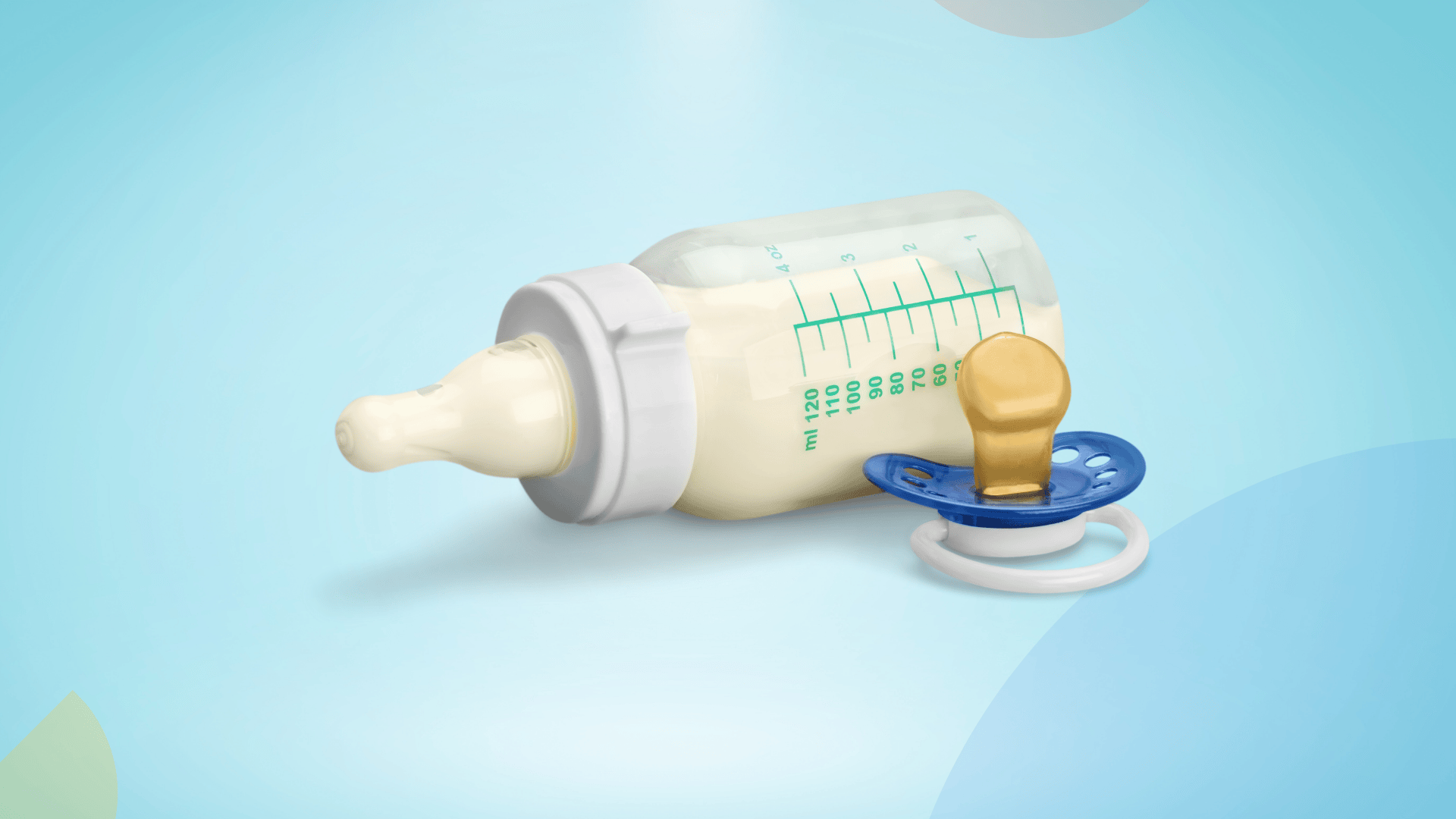



The number of children experiencing food allergies has been growing about four times faster than the population for at least 20 years, which has led to an increased demand for allergy-free foods.
These specially formulated food products are designed for infants at risk of or diagnosed with food allergies. Companies like Nestle, BCD Bioscience Inc., the University of California, and Beth Israel Deaconess Medical Center are developing such products.
This report discusses the newest solutions in allergy-free infant food that help control inflammation and improve metabolism. The full report on healthy food and beverage innovation discusses various other trends, including vegan probiotics, DNA-based nutrition, regenerative agriculture, etc. Fill out the form below and receive a copy of the report directly in your inbox.
Nestle created a nutrient to improve infants’ gastrointestinal health.
Nestlé S.A. has researched nutritional compositions containing 3-hydroxybutyric acid to enhance the gastrointestinal barrier. Instead of relying on the individual’s microbiota to metabolize human milk components, direct use of 3-hydroxybutyric acid ensures benefits, especially for those with impaired microbiota, such as those born through cesarean or those treated with antibiotics.
The composition aims to improve various aspects of the gastrointestinal barrier, such as protection, structure, and function, providing a holistic approach to maintaining the health of infants and young children.
BCD Bioscience Inc. creates microbial compositions for disease prevention.
BCD Bioscience Inc. is working on altering microbial communities and associated bioactive metabolites using oligosaccharide compositions. These compositions can influence gastrointestinal health and metabolic disorders. These compositions effectively modulate microbiota, demonstrating potential for disease prevention and treatment. They offer a versatile and targeted approach to improving infants’ health.
Two prominent universities studied the correlation between maternal gut microbiota and infant food allergies.
Peking University Third Hospital and Fujian Provincial Maternity and Children’s Hospital collaborated to study the relationship between maternal-infant gut microbiota and infant food allergy. They found that if the mother carries Holdemania during the third trimester, her child will likely not have food allergies.
However, this effect doesn’t last after the baby is born and their gut bacteria changes. This suggests that the mother’s gut bacteria might not primarily affect the child’s food allergies through changes in the infant’s gut bacteria.
Nestle’s solution to reduce infant gut inflammation
Nestlé S.A. developed a synbiotic composition of bacteria to reduce gut inflammatory issues. This invention involves a composition of Bifidobacterium longum subsp longum and Lacto-N-Tetraose (LNT). It aims to boost microbiota activity, enhance the survival of Bifidobacteria, and promote the growth of beneficial gut bacteria.
Additionally, the composition prevents inflammatory conditions and infections in the infant’s gut while enhancing overall immunity.
The University of California’s modified gluten proteins reduce infant gut inflammation.
The University of California and Beth Israel Deaconess Medical Center created gluten polypeptides with reduced inflammatory potential to address gut inflammation in infants. By modifying amino acid sequences in gluten proteins, the invention enhances microbiota activity, improves the survival of beneficial bacteria, and promotes a healthier gut environment.
Conclusion
Stringent food safety regulations and rising awareness about allergen-related health issues catalyze the heightened demand for allergen-free food products. The hypoallergenic baby foods market will reach $5.8 Billion by 2032.
A comprehensive understanding of allergy-free infant food can provide insights into your competitors and solutions that R&D teams can work on.
Contact GreyB’s experts for in-depth information about these innovators and their technologies.
Food & Beverage 2025 Trends Study