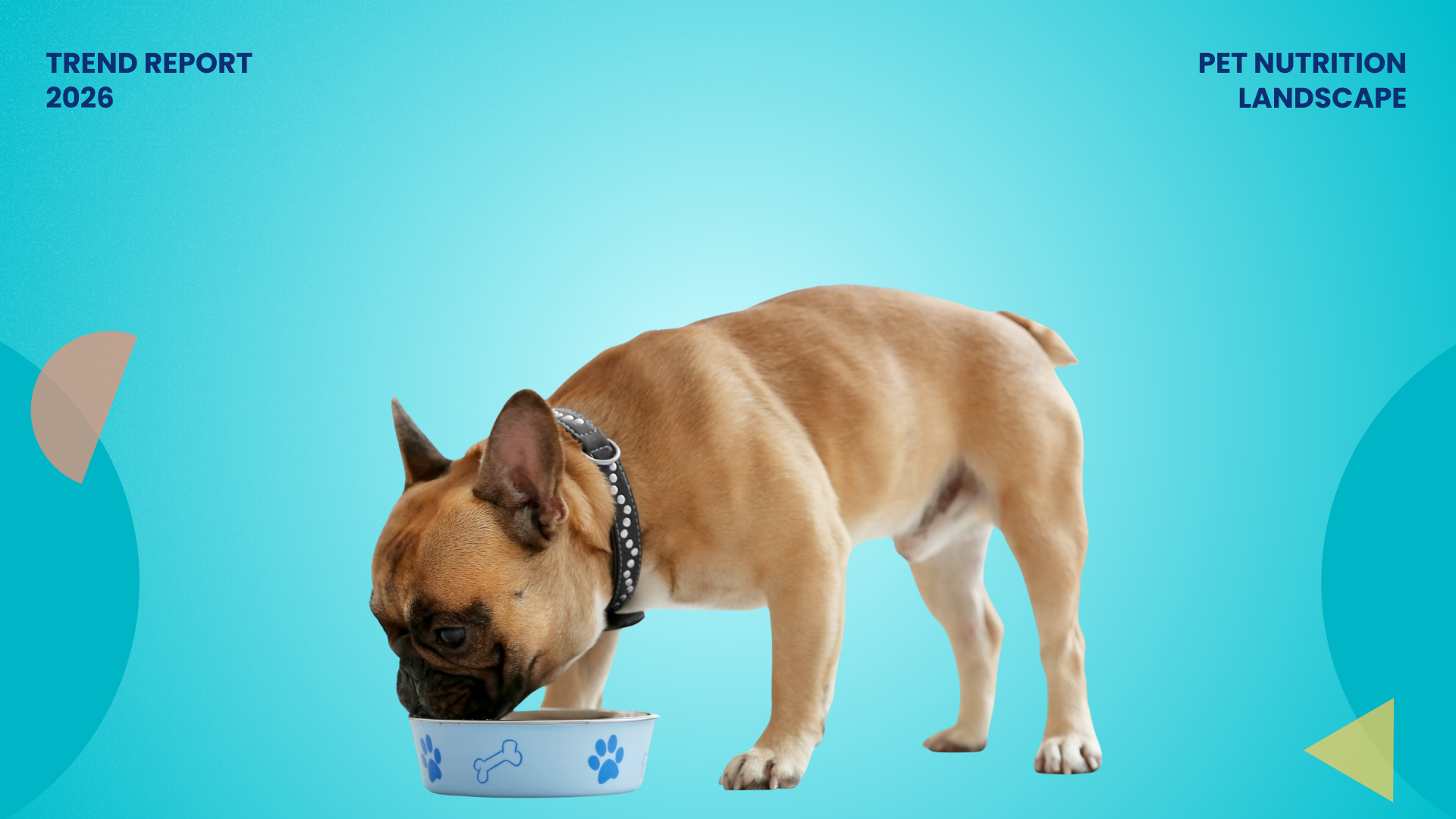



42% of pet owners now prioritize spending on high-quality nutrition, fueling interest in organic, natural, and minimally processed pet food.
Pet parents are becoming increasingly attentive to their pets’ health. This shift pushes R&D teams to explore gut-health formulations and bioavailable nutrients that improve digestion and immunity in companion animals. With pet obesity rates exceeding 59% in dogs, reformulating for weight management without compromising palatability remains a top challenge for pet food companies.
As the industry shifts, R&D leaders must stay ahead of scientific innovations, regulatory changes, and emerging consumer preferences to ensure their products remain competitive. This article examines the latest trends influencing pet nutrition, providing insights into how innovation drives the development of pet food.
Discover more in our 2026’s Pet Nutrition Landscape Report, where we explore the latest trends in pet nutrition, new veterinary treatments, and changing regulations. Stay ahead with data-driven insights on emerging trends, consumer preferences, and latest innovations transforming the pet care industry.
Trend 1: GLP-1-friendly pet food will hit the market in 2026
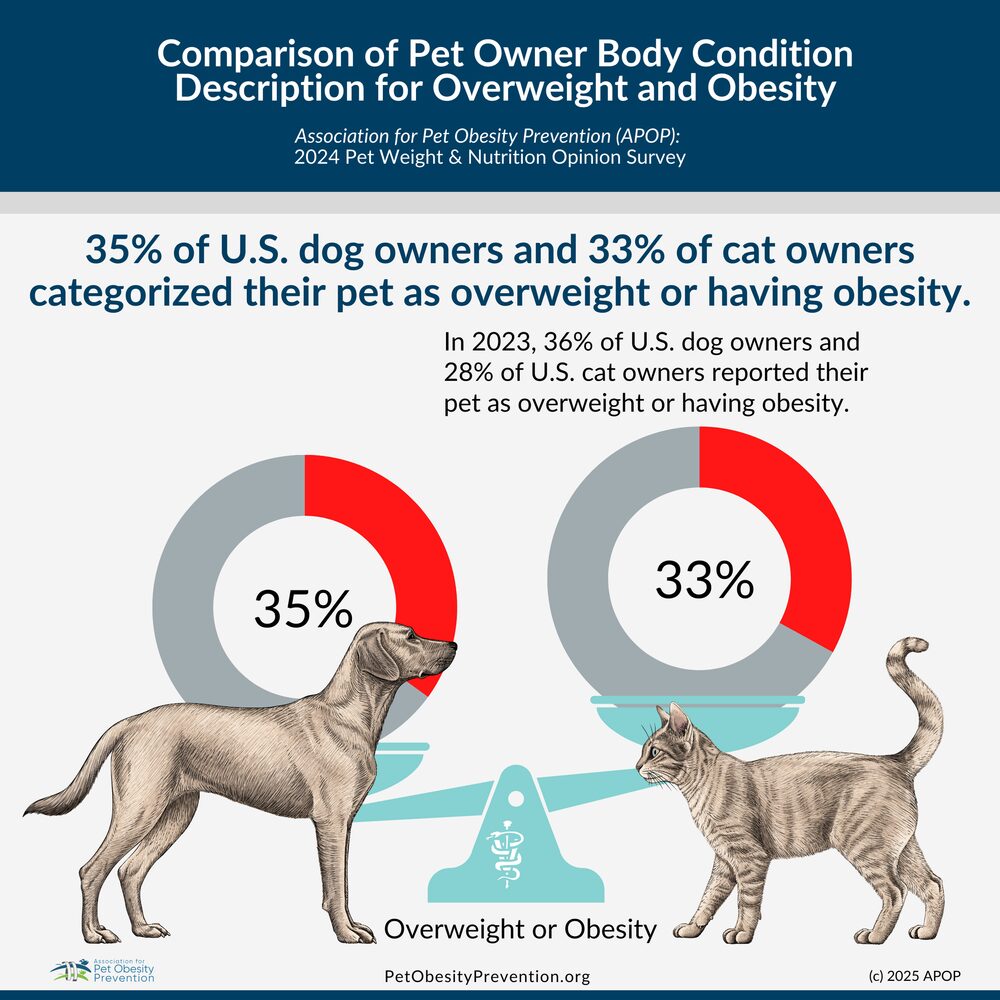
In the UK, 46% of canines are overweight, raising the risk of arthritis, diabetes, heart disease, and cancer. Meanwhile, 33% of cat owners and 35% of dog owners in the US categorized their pets as overweight.
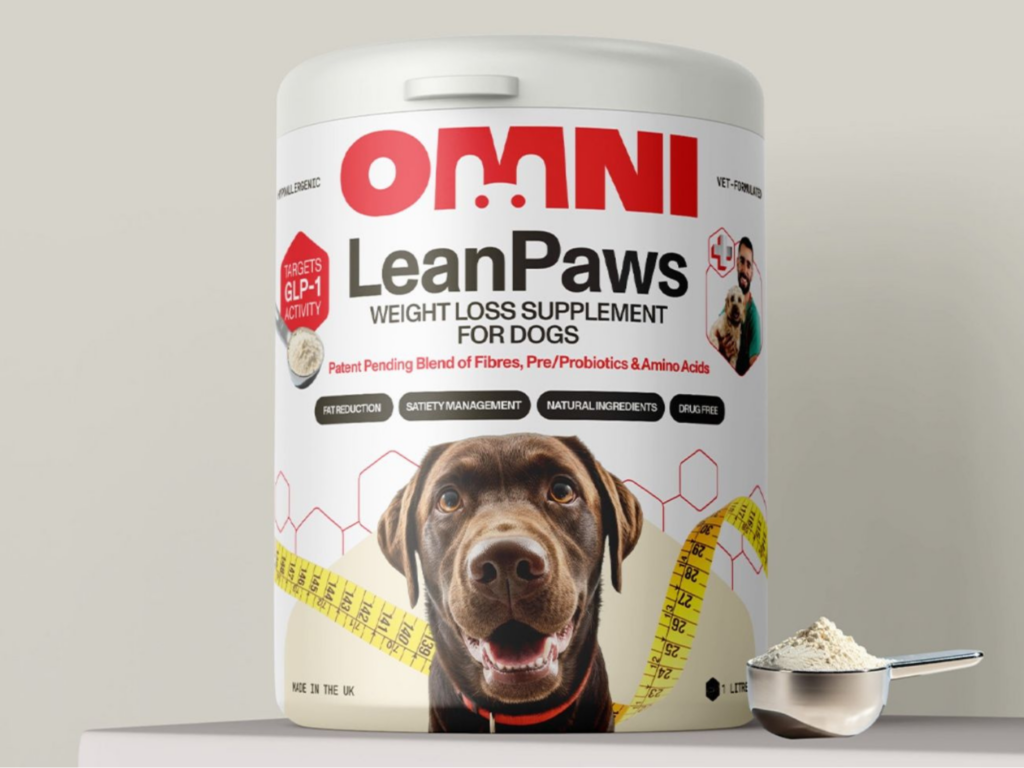
Pharmaceutical companies are racing to develop pet-friendly versions of GLP-1 agonists for weight management. Omni Pet has anticipated the ripple effects it will have on the pet food industry and launched LeanPaws, an animal-free supplement designed to reduce obesity in dogs.
The UK climate-smart dog food brand uses a patent-pending mix of amino acids and probiotics to deliver effects similar to Ozempic. However, this is without the need for prescriptions and without the common side effects or diet restrictions. The supplement works by mimicking the GLP-1 hormone, the same biological pathway targeted by human weight-loss medicines such as Ozempic and Wegovy.
Set to launch in 2026 and supported by scientific research, LeanPaws is already drawing strong interest from veterinary retailers.
Unicharm’s thick, large, and hard kibbles encourage longer chewing
While brands like Hills Pet Nutrition are perfecting high-protein formulations for weight management in pets, Unicharm changed the size, shape, and hardness of kibble. Hence, pets have to chew it longer, helping prevent overeating.
The patent describes kibbles that are 5–8 mm thick, with a thickness-to-minor-axis ratio of 1:1 to 1:2, and a hardness of ≤70 N. Additional features include recesses or holes that guide teeth into the kibble.
Together, these features ensure the kibble is large enough that pets cannot swallow it whole, yet soft enough for easy chewing.
Lab trials showed that chewing in pets increased from 5.96 times/g → 24.42 times/g, while eating pace slowed from 12.31 sec/g → 16.93 sec/g. Cats chewed 4 times more and ate slowly, confirming the prevention of fast eating.
Increased chewing time supports better digestion and helps manage weight in dogs and cats.
FromHalla’s feed composition prevents obesity using natural herb extracts from Jeju Island
FromHalla is a premium pet-wellness brand created by BellaBellFarm Inc. (Jeju, South Korea) in March 2022.
The brand draws on the clean, natural environment of Jeju Island, including its soils, marine resources, and native plants, to provide veterinary-adjacent pet care and treat products.
Its patented pet feed composition contains an extract of Sasa quelpaertensis, a bamboo species from Hallasan on Jeju Island, along with a blend of traditional herbs like ginseng, Ubangja, coptis, sagebrush, dansam, jogudeng, injinho, and usul.
Together, these extracts reduce weight, improve metabolism, and provide anti-inflammatory benefits for pets.
These herbal blends are prepared through a multi-step process of grinding, ultrasonic treatment, filtration, concentration, and freeze-drying to maximize potency.
Standard feed ingredients like chicken powder, rice powder, and lecithin are also added to the feed, as pets reject foods with strong herbal smells.
The brands also offer sticks/purees made from Jeju flatfish, chicken breast, lobster, abalone, and meat-free vegetable versions.
BellaBellFarm holds a patent thicket around the Sasa bamboo application in a variety of pet products, including snacks, mists, and shampoo bars.

Trend 2: Functional treats for cognitive and emotional health in pets are a hot segment in the pet food industry
The pet humanization trend is driving premiumization in the pet food market. Functional treats are a particularly hot segment. Zesty Paws has an entire portfolio of calming supplements for dogs that uses ingredients like hemp seed and chamomile.
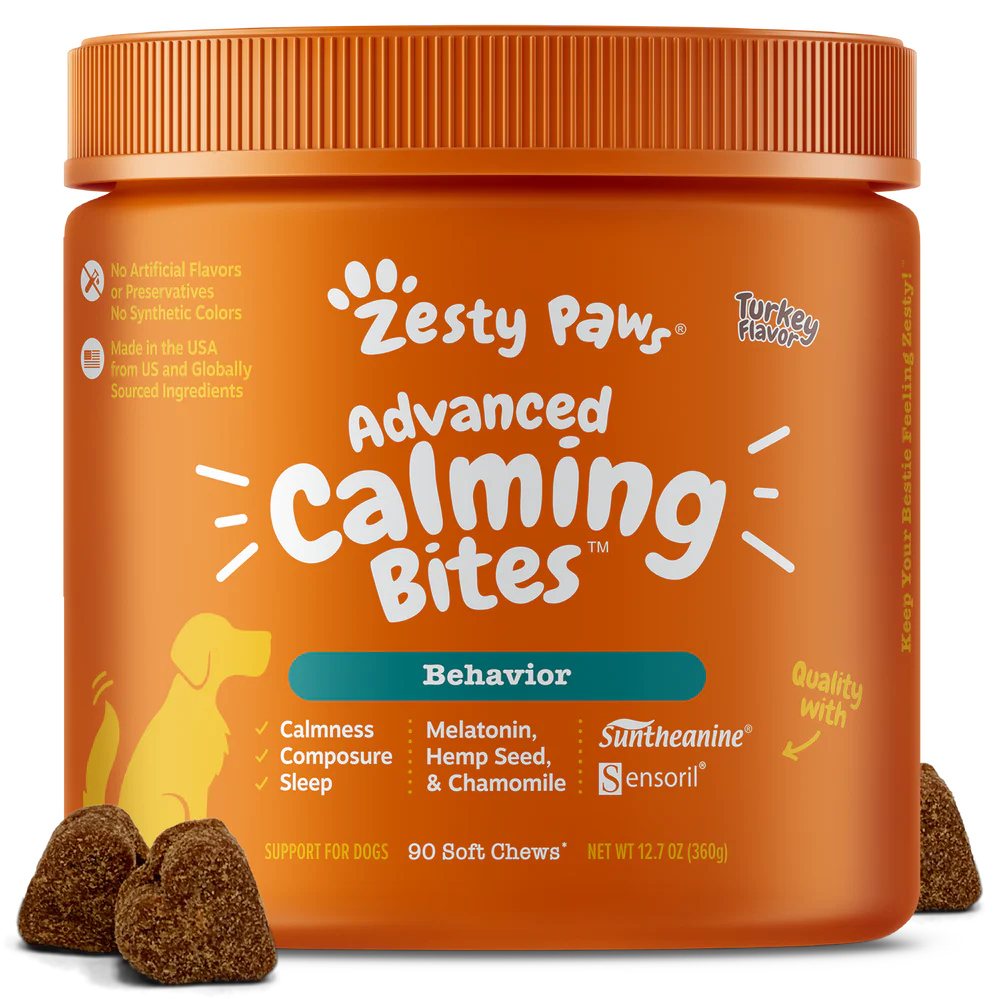
Dozens of new brands have entered the market with a niche focus. US-based ElleVet Sciences created a proprietary hemp CBD blend for dogs suffering from joint discomfort. This is a notable advancement given CBD’s murky regulatory status. Wild Earth, a brand known for plant-based pet food, offers a koji probiotic supplement. Meanwhile, German startup Mammaly is focused on longevity supplements with claims to promote cell renewal.
Notably, most of these startups are capitalizing on one novel ingredient or approach to carve out a niche.
Nestlé formulation boosts glutathione to enhance brain performance in pets
Nestlé has developed a formulation comprising taurine and Vitamin B9 (folate) in a 1:2500 ratio to boost glutathione levels in the brain. Glutathione is an essential antioxidant in the brain, which prevents oxidative stress and cellular damage caused by reactive oxygen species (ROS).
By boosting glutathione levels, particularly in the nucleus accumbens, this composition improves motivation, focus, attention, and energy while reducing fatigue. The innovation spans multiple delivery formats, including supplements, beverages, and pet treats, making it widely applicable.
Mars’ long-lasting edible chews enhance memory and relieve stress in canines
Mars introduced long-lasting edible chews to help dogs improve their memory and reduce stress after training. The treat is designed to last 6–15 minutes. It has a high tensile toughness of at least 20 MPa (preferably 50 MPa or even 80 MPa), and an aerated structure with a density between 0.4 and 1.2 g/cm³. Additionally, its elongated shape naturally encourages prolonged chewing.
The key benefit of this approach is that it leverages a behavioral mechanism (oral activity) rather than a drug or ingredient to influence cognition and stress regulation in canines.
Disruptive technologies come from industry leaders, startups, universities, and even suppliers in adjacent industries. Even the best internal R&D teams can’t track it all, but Slate can. Just ask, “What are the emerging trends and technologies in the pet food industry?”
What are the emerging trends and technologies in the pet food industry?
Trend 3: Brands are including probiotics and prebiotics to support gut health in pets
Among all functional areas, digestive health stands out as a top concern and opportunity in pet nutrition. 56% of dog owners and 54% of cat owners actively seek “digestive health” claims on pet food products, recognising the connection between gut health and overall well-being.
Brands are including strains like probiotic strains like Lactobacillus, Bifidobacterium, and Saccharomyces boulardii, and prebiotics like lactulose and yeast glucan to respond to this trend. Purina’s Calming Care Supplement uses probiotic strain BL999 to help dogs maintain calm behavior.

Aichao Biotechnology Changzhou’s freeze-dried raw bone and meat pet food incorporates inulin and FOS to prevent diarrhea
This vertically integrated enterprise in the freeze-dried food industry recently filed a patent for functional pet food. The food is formulated with a base of freeze-dried raw bone and meat. It is supplemented with a premix containing prebiotics like inulin and fructo-oligosaccharides (FOS) and probiotics such as Lactobacillus plantarum and Bifidobacterium animalis. These ingredients promote beneficial gut bacteria, improving digestion and preventing conditions like diarrhea in pets.
Related Reads

Weishi Pet Nutrition’s composition uses polysaccharides to eliminate fecal odor in cats and dogs
Weishi Pet Nutrition uses three key polysaccharides, Brown algae polysaccharide (fucoidan), Aloe polysaccharide, and Yeast glucan, to address intestinal odor and overall gut health in dogs.
These polysaccharides target bacteria that cause fecal odor in pets by inhibiting harmful bacteria like Fusobacterium and Clostridium, while promoting the growth of beneficial bacteria like Bifidobacterium and Lactobacillus. It also increases short-chain fatty acid (SCFA) production. This is crucial for maintaining a healthy gut and intestinal barrier function, especially for pets on high-protein diets.
In the lab trials, fecal samples from dogs and cats were fermented with the composition, showing increased short-chain fatty acid production and reduced pH, which helps create a healthier intestinal environment.
Conclusion
Formulators are exploring novel protein sources, including insects, yeast, cultured meat, and microbial/algae, to reduce the environmental “paw print” of pet food. Researchers at Dali University in China have developed a pet feed formulation with cockroach powder, an ingredient used in traditional Chinese medicine for over 2,000 years. The innovation aims to repurpose these ancient practices into modern animal nutrition.
However, challenges lie in proving that these insect ingredients are safe, digestible, and nutritionally adequate for pets. Product managers must evaluate such innovations on proof of concept, regulatory approvals, and market demand before translating them into commercially viable products. Connect with our experts and find emerging technologies that are not on your radar.