
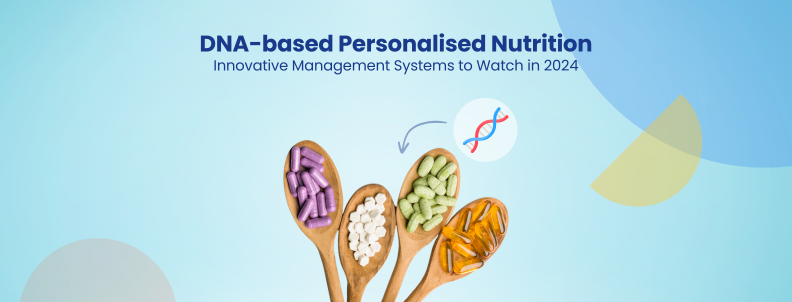





In an era when childhood and adolescent obesity has surged from 8% in 1990 to 20% in 2022, the need for innovative nutrition solutions is undeniable. A Harvard study reveals that genetics can influence obesity risk by up to 80%. While personalized diet management considers factors like body type and activity levels, it often overlooks genetic predispositions to diseases and the ability to process various foods. This gap presents a pivotal opportunity for the food industry to develop Gene-based or DNA-based personalized nutrition solutions.
This involves creating personalized dietary recommendations for an individual’s genetic makeup. Companies like Nestle and Royal DSM NV are working on several trends, such as computer-based vitamin and mineral premixing for diets and addressing risks of insufficient nutrient intake.
While this article discusses only gene-based personalized nutrition, you can access our full report covering several more food and beverage trends below.
Personalized Nutrition planning and recommendations
Nestlé developed a guidance system for intermittent fasting.

Existing digital solutions that offer nutrition recommendations lack consideration for potential nutritional inadequacies according to specific routines like intermittent fasting and alternate-day fasting (ADF). They fail to provide personalized recommendations based on individual factors such as age, gender, physical activity, and health conditions. Additionally, these applications do not effectively integrate individual food recommendations into the context of an entire diet across various meals.
As a solution, Nestle has developed a digital system that offers personalized nutritional guidance, mainly for various stages of intermittent fasting (IF) regimens. This includes customized diets, menus, and recipes applicable before, during, or after an IF routine.
The delivery of these personalized nutritional suggestions is facilitated through a computer-implemented system. Individuals can intake specified nutrients based on these recommendations. Individuals may consider incorporating fiber supplements such as wheat dextrin, methylcellulose, psyllium husk, polycarbophil, guar fiber, glucomannan, or β-glucans.
By providing clear guidance, users can effectively implement nutritional recommendations throughout their daily diet, menus, and recipes, ensuring a more tailored and comprehensive approach to intermittent fasting.
ROYAL DSM NV makes specific meat alternatives using vitamins & minerals
ROYAL DSM NV has developed a blend of vitamins and minerals to substitute meat or fish without animal protein. The invention provides a procedure for creating an alternative product utilizing a premix designed through the computerized method.
The premix regulates the quantity of the specified vitamins and minerals in the alternative, aligning it with the levels found in the meat or fish it is replacing or with a specific percentage of the daily reference intake within the targeted product market.
Healthycell and Panaceutics produce personalized nutritional formulas using at-home blood test kits.
Healthycell and Panaceutics collaborated to create on-demand personalized nutrition gel formulas that involve individual biomarker readings and predictive analytics. They also worked with FDA-registered third-party labs to offer at-home blood collection test kits to measure micronutrients and analyze epigenetic profiles correlating to body conditions.
DNA-based nutrition risk management solutions
People often lack awareness of potential nutrient deficiencies resulting from their dietary choices and the corresponding quantities of these deficiencies. Addressing these concerns proves challenging with existing clinical trials, as real-world eating habits may differ from the prescribed dietary selections within a clinical setting.
Nestle’s invention can detect insufficient nutrient intake.
Nestle has developed an invention that addresses nutritional deficiencies. It introduces innovative nutritional compositions and methodologies to address insufficient nutrient intake. Additionally, the invention encompasses an AI-powered system designed to identify, quantify, and mitigate nutritional risks associated with adult ADF diets.
Addressing the deficiencies in current nutritional practices, the innovation involves offering fresh nutritional suggestions and incentive approaches for personalized guidance on nutrients, diets, and lifestyle choices. The company claims the innovation is specifically designed for individuals engaging in an alternate-day fasting regimen.
ROYAL DSM NV has another solution for detecting animal nutritional deficiencies
ROYAL DSM NV has a new methodology for identifying animal nutritional deficiencies in another innovation. Notably, this system uses ex-vivo blood measurements to assess the nutritional status of the animals. Animal nutrition focuses on the dietary nutrient needs of animals. Optimized nutritional management can increase the profitability of livestock or poultry production systems.
Resources and money are wasted if nutrients are fed at a concentration higher than needed. On the other hand, if not enough nutrients are fed, animals may underperform: they may not gain weight fast enough, give less milk, or lay fewer eggs.
IFF and Salus Optima’s solution uses wearable technology to assess metabolic responses
IFF entered a strategic partnership with Salus Optima, a British-based, digital personalized nutrition, health, and wellness company. The companies are developing a system to help consumers understand their unique metabolic response to food, supplements, activity, and sleep. This system will be accessible via mobile phones and wearables.
The partnership’s initial focus is metabolic health, including obesity, pre-diabetes, high cholesterol, and pre-hypertension
To stay ahead in this rapidly evolving field, it’s crucial to understand the current landscape and the key players driving innovation. Request a comprehensive landscape study on gene-based nutrition to explore the latest trends and discover the companies leading this revolutionary approach.