



Bet on the wrong trend, and 18 months later, you’re explaining why it didn’t work in the boardroom, instead of celebrating product success.
Kerry learned this the hard way. In March 2024, the company launched Smug Dairy, a hybrid line blending oats and traditional dairy to appeal to flexitarian consumers. Yet barely 18 months later, Kerry discontinued the range. Why? Victoria Southern, marketing and innovation director at Kerry, said,
“While our dairy and oat-blended range delivered on taste and function, categories like milk and butter are difficult to disrupt.”
Kerry’s misstep with Smug highlights a critical reality for dairy brands: innovation without market validation is a recipe for failure.
While hybrid dairy failed to resonate, segments like high-protein products, functional beverages, and clean-label offerings are experiencing massive growth in the dairy industry. These trends align with what consumers actually want right now.
Discover how dairy brands are keeping up with these demands while bringing something new to the table at the same time. While our 2026 Dairy Trend Report is under works, fill out the form below to get access to our 2025 Dairy Trend report.

Trend-1: GLP-1 users are driving the demand for high-protein dairy
The number of users taking GLP-1 medicines for weight management and diabetes increased from 21,000 in 2019 to 174,000 in 2023, marking a 700% rise. This signals that protein is set to remain one of the leading trends in food and beverage in 2026.
Various dairy-derived ingredients like micellar casein, beta-lactoglobulin, and milk oligosaccharides are being explored for creating GLP-1-friendly food. Users are lapping up protein-packed dairy products to support muscle retention during weight loss, with high-protein yogurt being the fastest-growing segment in the industry.
Danone is leading the space with Oikos Fusion, the market’s first yogurt drink designed specifically for GLP-1 users. It contains 23g of protein, 5g of prebiotic fiber, and key vitamins like B3 and B12. The product uses a proprietary science-backed blend to stimulate muscle protein synthesis.

Hellenic Dairies SA has launched Drink Eat, a ready-to-drink meal replacement milk drink under the Olympos brand. It uses real cow’s milk as its base and is fortified with vitamins, minerals, and protein to offer around 500 calories, 35g of protein, and 26 vitamins per 500ml serving.

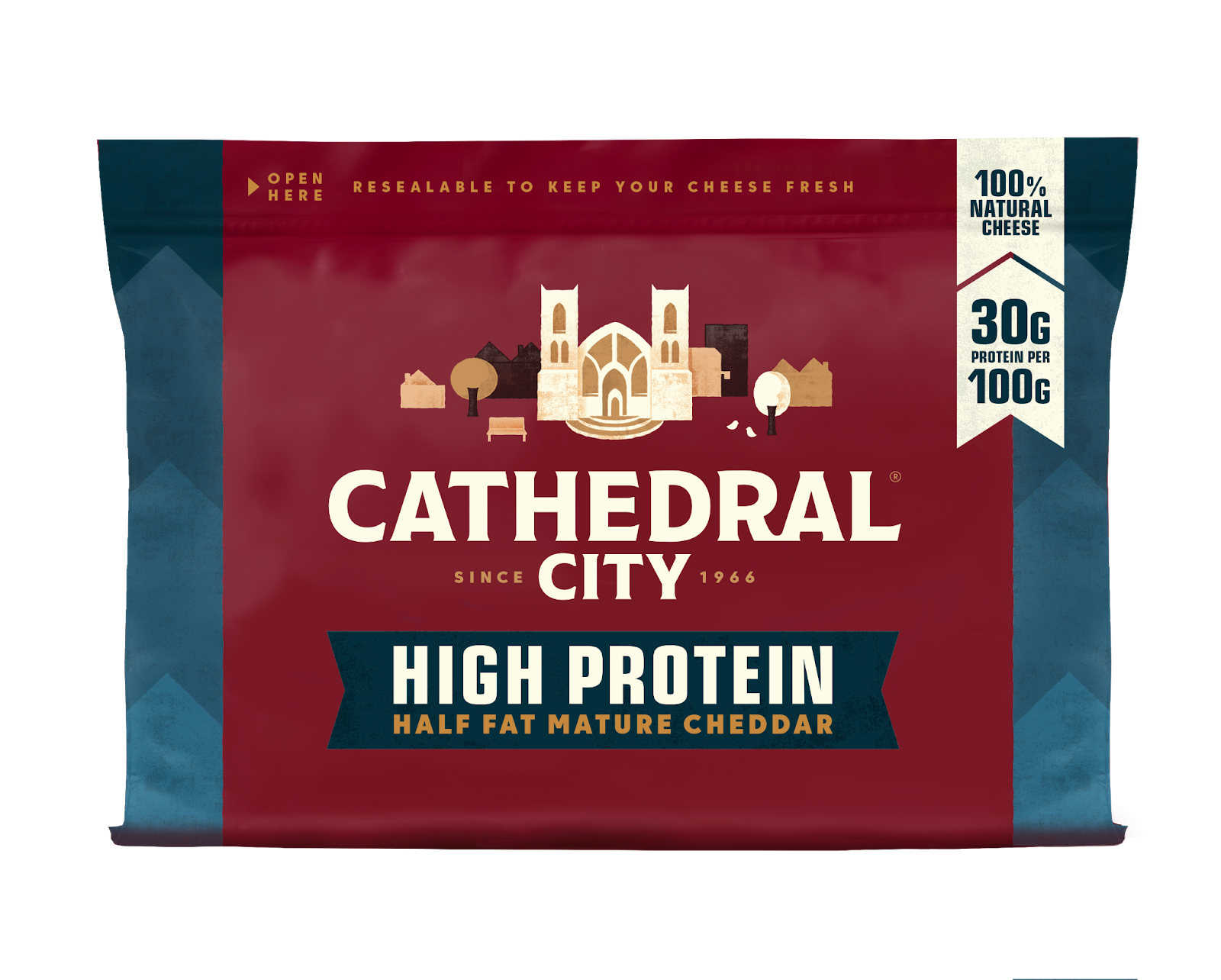
It’s not just yogurt; cheese is joining the high-protein trend too. Saputo Dairy UK introduced high-protein cheddars under its Cathedral City brand. Meanwhile, Eatlean, a British low-calorie, high-protein cheese brand, has expanded into Germany and Australia.
Lactalis’ innovation achieves 8–20% protein in fermented fresh cheese
Cheese with more than 8% protein becomes rubbery or sticky. Additionally, high-protein cheese often lacks the pleasant mouthfeel of regular cheese.
Groupe Lactalis SA has developed a method for manufacturing high-protein fermented fresh cheese by adding denatured soluble milk proteins in the form of microparticles to skimmed milk before separating the curd and whey.
Traditionally, protein was added after curd separation, which often led to texture issues.
Adding protein earlier in production ensures final cheese maintains a balanced composition of casein and whey proteins, typically in a 40:60 to 60:40 ratio. As these microparticles are dense and pre-denatured, they remain trapped in the curd instead of being lost in the whey.
Lactalis’ approach increases the protein content in the composition to 8–20% by weight, meanwhile maintaining a smooth, creamy, spoonable texture.
The method can be used to produce various types of fermented fresh cheese, such as quark, skyr, or fromage blanc.
Analyst Comment: High-protein dairy can help support consumers’ weight-loss journey even after they have discontinued medication. Brands should create low-calorie offerings in smaller portions to drive purchases in the category.
GLP-1 Related Read

Trend 2: Functional dairy drinks are delivering wellness in every sip
Moving beyond protein, brands are tapping into functional dairy for 2026. Kefir is a high-growth category, with water kefir and plant-based versions emerging as promising new niches for manufacturers. Yogurt beverages are also seeing strong global growth, thanks to their convenience, nutritional appeal, and gut health benefits. To build on this momentum, brands must focus on innovations like adding bioactive ingredients and introducing new formats such as gut shots and yogurt pouches.
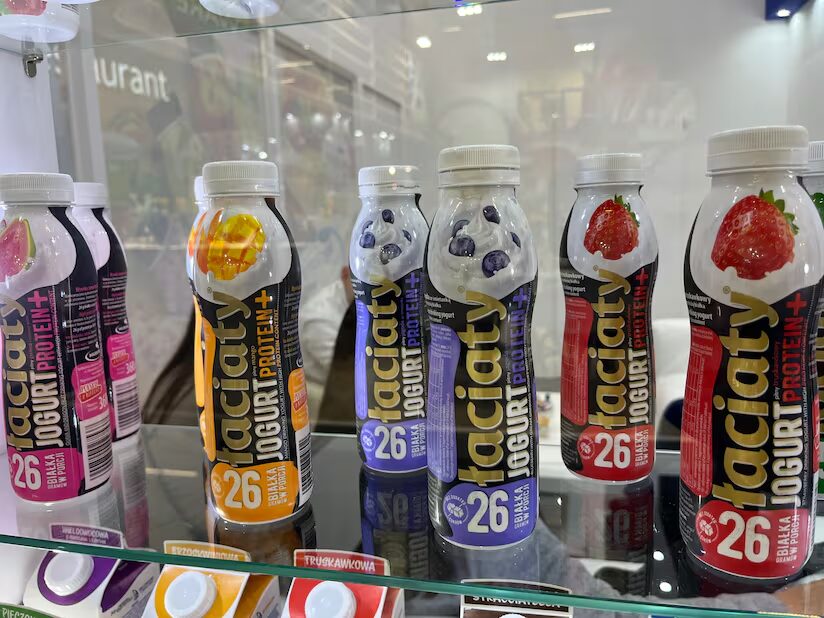
At Anuga 2025, the world’s largest food and beverage trade show, Poland’s Mlekpol brand Łaciaty showcased a range of functional dairy beverages with ingredients like magnesium and biotin to promote “energy,” “harmony,” and “balance.”
Meiji has turned yogurt into SPF for UV protection
Almost every cosmetic brand you can name uses Benzophenone-3 and Octocrylene in their sunscreens, which are harmful for consumers at concentrations above a certain level.
This has prompted scientists across industries to explore innovative solutions for sun protection.
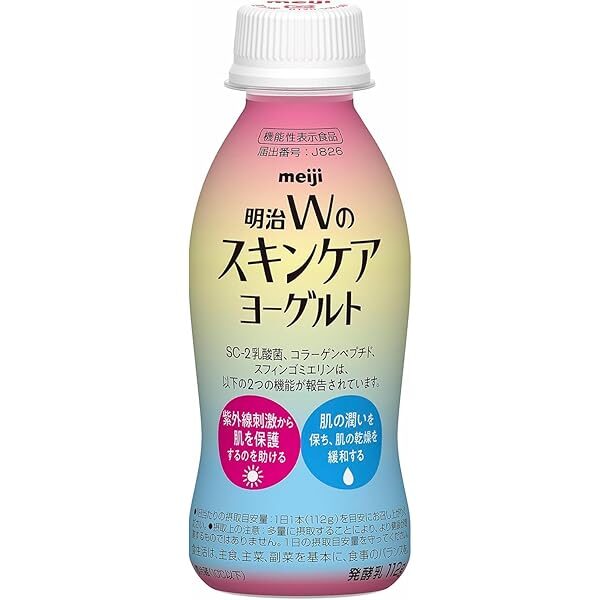
Meiji Co. has launched a functional yogurt designed to help consumers combat UV exposure and skin dryness from the inside out.
This yogurt contains three key ingredients: SC-2 lactic acid bacteria, collagen peptides, and sphingomyelin. These ingredients are scientifically proven to protect the skin from UV-induced damage and retain moisture to alleviate skin dryness.
Human trials have confirmed the yogurt’s effectiveness.
In a six-week trial, 67 women participants who consumed the yogurt containing the three active ingredients showed a higher Minimum Erythema Dose (MED). This indicated greater UV resistance than those in the control group consuming yogurt without these components. Another four-week study with 94 women found a 2.5x increase in forearm skin moisture compared to the control group.
This 112g drinkable yogurt falls under the category of ingestible cosmetics. It is designed for easy consumption, aligning with current consumer preferences for convenient and health-focused food options.
Another patent by Meiji describes a fermented milk product that helps maintain oral hygiene. The innovation lies in using the probiotic strain: Lactobacillus delbrueckii subsp. bulgaricus OLL1073R-1. This helps the body produce more IgA, a key antibody in saliva.
Keeping up with such advancements can help R&D teams identify market gaps and capitalize on innovation opportunities ahead of their competitors. Slate’s dairy dashboard enables you to identify emerging trends in dairy innovation before they go mainstream.

What are the latest innovations in functional dairy?
Trend 3: HMObiotics are being used to improve infant’s gut health
Compared to formula-fed infants, exclusively breastfed infants have fewer infections, a distinct microbiota and modestly improved cognitive outcomes. There are many factors associated with breastfeeding — scientists look toward components found in human milk that are lacking or inadequate in infant formula to help explain these differences and hopefully help to close the gap between breastfed and formula-fed infants.
Dr. Marta Miks, senior regulatory and scientific affairs manager at dsm-firmenich.
HMObiotics, a blend of human milk oligosaccharides (HMOs) and probiotics is a solid solution for boosting gut health in both infants and adults. This partnership gains strength from key factors driving this trend forward. The increasing global preference for HMO-based infant formula, alongside the growing demand for health-conscious food and drinks, is fueling the rise of HMObiotics.
In the HMO market, the Asia Pacific region, including countries like China, India, Japan, and Australia, holds a dominant position. This is due to technological advancements and a growing population seeking healthier food options.
Companies such as DSM, BASF SE, Chr. Hansen Holding A/S, DUPONT, and Royal FrieslandCampina N.V. are leading the charge in developing and expanding these products, making HMObiotics more accessible and beneficial for consumers.
Key developments in this area include –
- As per Danone’s formulation, Nutricia has enhanced prebiotic and anti-pathogenic properties, fostering a thriving gut environment.
- Meanwhile, Yili Group and Nestle use this blend to alleviate infant intestinal discomfort and address allergies.
- Feihe Dairy’s recent blend development demonstrates improvements in immune system development and offspring intestinal flora enhancement when incorporated into the maternal diet.
- Health and Nutrition leader Abbott, has introduced a composite comprising dual HMOs and Bifidobacterium and Streptococcus species, aimed at alleviating infant gas discomfort.
Discover Next

Trend 4: Enteric methane-capturing systems are eliminating the need to alter cattle feed
Enteric methane emissions from cows account for roughly 32% of global methane emissions.
Leading dairy companies like Danone have pledged to remove 1.2 million tons of CO2 eq. of methane emissions by 2030.
However, capturing emissions from livestock has been challenging because no one can predict when a cow will burp or excrete.
Industry leaders like DSM-Firmenich have been innovating with cow feed additives like Bovaer® to reduce methane emissions from cattle. The feed additive has received regulatory approval in over 60+ countries, including in the U.S. (FDA), EU (via EFSA), Canada, the UK, Australia, Japan, and more.
However, some critics argue that interfering with rumen microbes may have unforeseen long-term effects.
Jung Yong-Ju’s smart barns can convert cow burps into rocket fuel
Jung Yong-Ju’s patent-pending barn system captures and liquefies methane gas emitted by cows to help dairy companies reduce their GHG emissions. These innovative barns have domed or pyramid-shaped roofs that trap rising methane. Pipes placed at the top of each barn collect the trapped methane.
The system also has methane sensors that monitor gas concentration levels. When methane density is high, these sensors turn on and increase airflow to the cooling unit. When levels drop, the system automatically turns off fans, ensuring energy efficiency.
The collected gas is directed to a central storage tank located higher than the barns for a gravity-fed flow. Methane from storage flows into a liquefaction device, where it’s cooled and compressed into liquid methane (LNG). The invention turns this harmful emission into a useful biofuel or rocket fuel.
Additionally, cooling methane reduces its volume to 1/600th of its original gas state. This drastically lowers storage and transport costs.

Trend 5: Front-of-pack labels are pushing dairy brands to produce clean-label dairy
In the EU, front-of-pack labeling systems like Nutri-Score are becoming popular. Seven countries, including Belgium, France, Spain, Switzerland, Germany, and the Netherlands, already use the Nutri-Score system. The color-coded labeling system ranks products from A (green, healthiest) to E (red, least healthy).
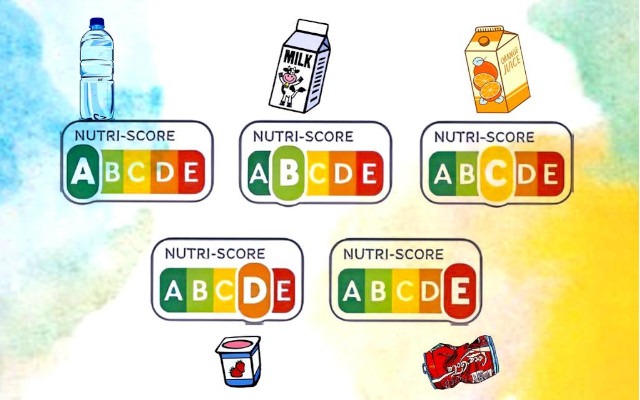
Such regulatory pressures are driving innovation in clean-label dairy. Italian company Dreamfarm’s flagship product has become the first plant-based mozzarella to achieve government-certified liquid status and a Nutriscore A, the highest possible rating.
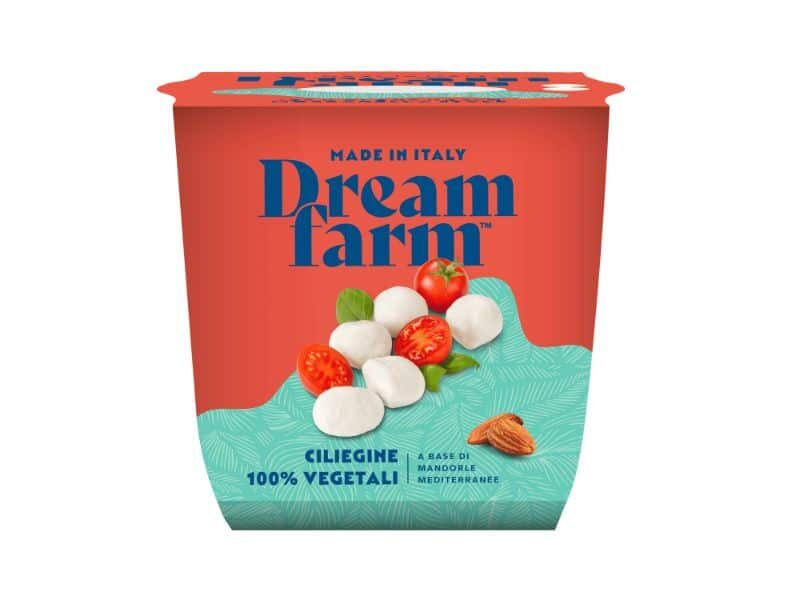
Made primarily from fermented almonds, the fresh mozzarella’s nut base is naturally fermented to achieve superior taste and functionality compared to cheese alternatives that rely on starches or plant fats.
A study by Ingredion revealed that 78% of consumers are willing to pay more for foods and beverages with natural or all-natural claims. Dairy is well-positioned to attract consumers seeking clean-label and natural products. However, processed dairy items like ice cream and flavored yogurt face challenges, as they often rely on additives to maintain the desired texture and taste.
Mengniu Dairy’s clean-label, naturally flavored fermented milk has a 90-day shelf life.
Traditional yogurts often face the problem of whey separation. They depend on stabilizers or additives like starch, gums, etc. to maintain consistency. However, these additives with complex INS numbers appear technical to everyday consumers, making the product unappealing.
Mengniu Dairy is overcoming this challenge with a patented nutritional and structural balance:
- Total fat: total protein ratio = 1.3–1.6
- Whey protein : casein ratio = 0.25–0.4
This specific balance stabilizes the protein network in milk, preventing water separation, giving the yogurt a smooth texture. When fermented under controlled acidity (pH 4.3–4.7) and temperature, it forms a fine protein gel structure that holds water effectively. This eliminates the need for additives, enabling the brand to produce clean-label, natural dairy.
The naturally flavored fermented milk remains stable, creamy, and smooth during its 90-day shelf life, with minimal whey separation (<1.55 g/100 g).
Previously, the brand launched Chunzhen 0-Additive Yogurt in China, replacing complex additives with healthier plant-based ingredients, citrus fiber, and seaweed powder.

Discover Next

Path Forward
From robotic milking systems and precision fermentation to lactose-free formulations, the dairy industry is seeing disruptive technologies from startups, universities, and suppliers in adjacent sectors. But identifying these technologies is only half the game. R&D managers need to know which ones to bet on.
If you’re assessing which of these techs are worth the investment, we can help you dig into feasibility, IP coverage, and competitor activity to reduce the guesswork. Our comprehensive report will tell you who’s investing real dollars in technology development, which technical problems are being solved, and where innovation clusters are forming in the dairy industry. Fill out the form below and talk to our experts today.