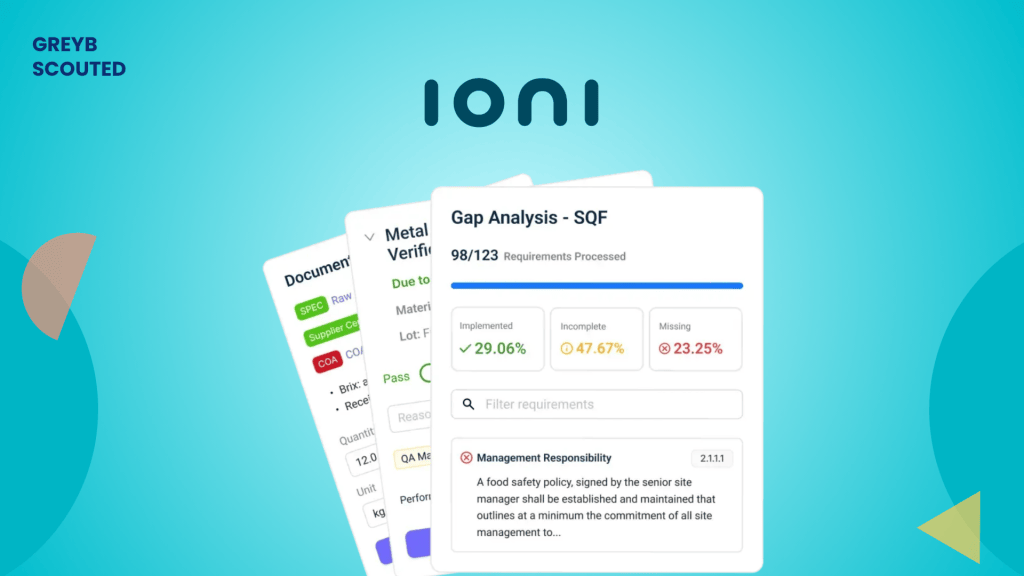
Fresh & Ready Foods recalled ready-to-eat sandwiches and snack products in 2025 after FDA investigators detected Listeria monocytogenes at its manufacturing facility. The outbreak was linked to 10 hospitalizations and
The transportation sector is one of the largest sources of global emissions, accounting for around 23% of energy-related CO₂ emissions worldwide. While electric vehicle adoption is increasing, replacing the millions
The International Energy Agency (IEA) notes that heavy-duty EVs require charging strategies tailored to their intensive usage patterns, with depot charging often requiring close to a one-to-one ratio of chargers
Diesel generators provide backup power when grid electricity is unavailable, but their fuel requirements can rise substantially with generator size and load. Caterpillar’s 16 kW XQ20 rental generator, for example,
China controls more than 98% of global LFP cathode active-material production. For manufacturers outside that ecosystem, the options are limited to either importing finished cathode material or reproducing a supply
As per the Environmental Services Association, in the UK alone, 22,000 tonnes of batteries are discarded each year, and only 45% are properly recycled. This results in over 1,200 fires
Every year, crustacean processing generates 6–8 million tonnes of shell waste worldwide. Most of it goes to landfills. Inside those discarded shells is chitin, the raw material for chitosan. It’s
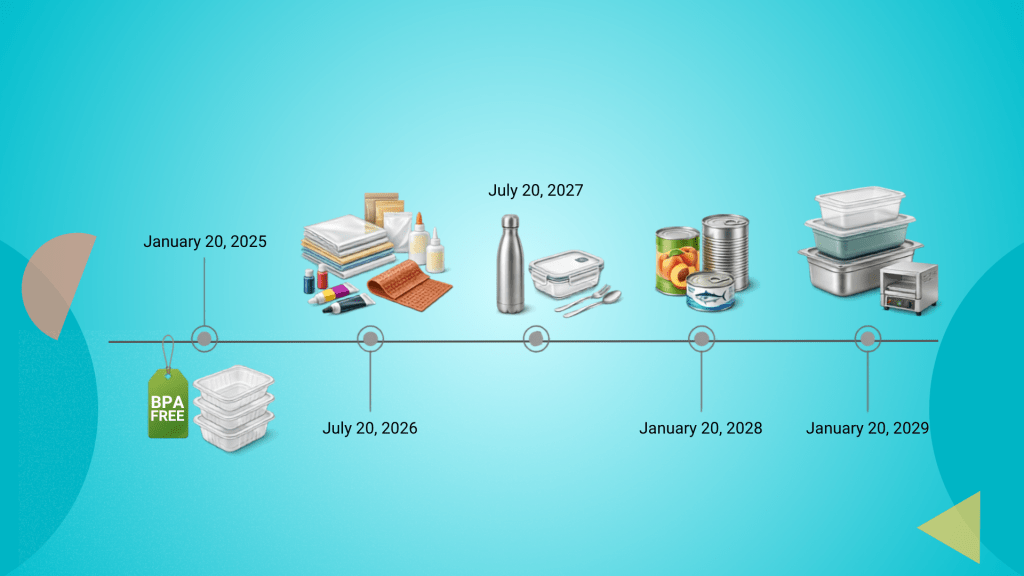
The EU BPA ban timeline for food packaging isn’t a single deadline. It’s a five-stage schedule, and most teams might be working from an incomplete version of it. Most industry
Energy-related CO₂ emissions reached a record 37.8 gigatons in 2024, while global natural gas demand hit an all-time high and continues to soar with the recent events. This creates a
Most water monitoring facilities still rely on weekly or biweekly lab sampling. This method cannot detect a harmful algal bloom until it has already reached intake points. The US EPA
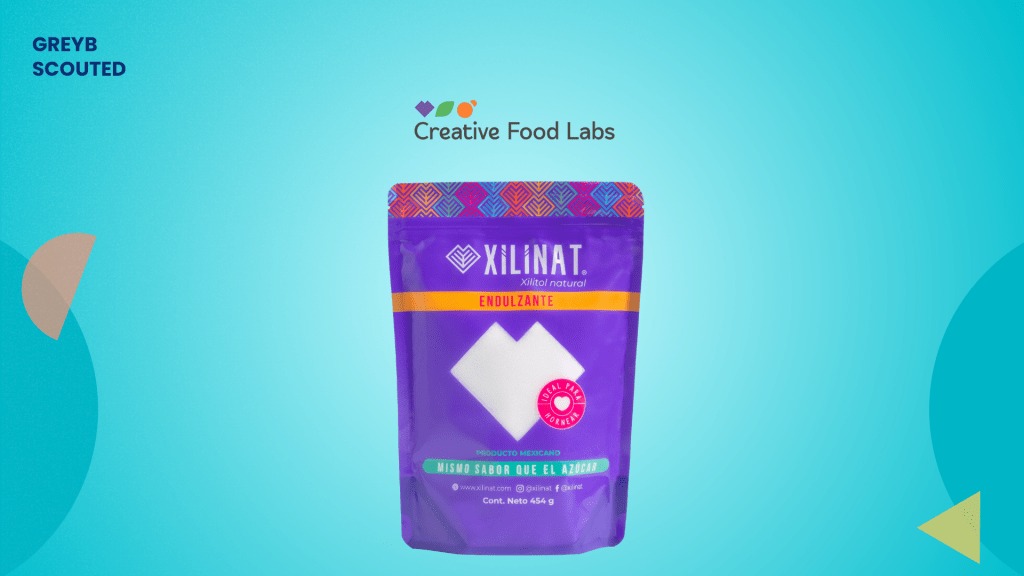
Xylitol has become a popular sugar reduction solution for confectionery in Mexico. However, it currently costs roughly five to six times as much as regular sugar. This is a major
Modern agriculture runs on nitrogen or Ammonia. But its major production method, the Haber-Bosch process, is at odds with industry sustainability goals. Synthetic fertilizers produced by this process deliver the
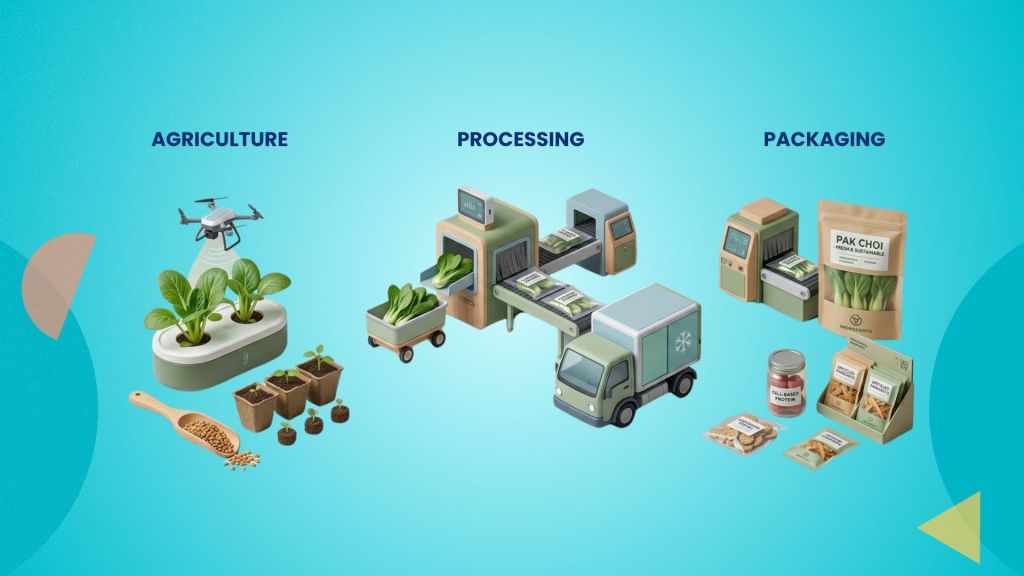
Food moves through a system where production, storage, transport, and retail are tightly linked, but decisions across these stages are rarely aligned. The result is a ~32% loss in global
Fusion energy has long been regarded as the “holy grail” of clean power. In theory, it offers abundant, carbon-free electricity from the same process that powers the sun. In practice,
Heavy industries are among the biggest sources of CO₂ emissions worldwide. Industries like cement, power generation, pharmaceuticals, and steel can’t easily eliminate these emissions because carbon is released as part
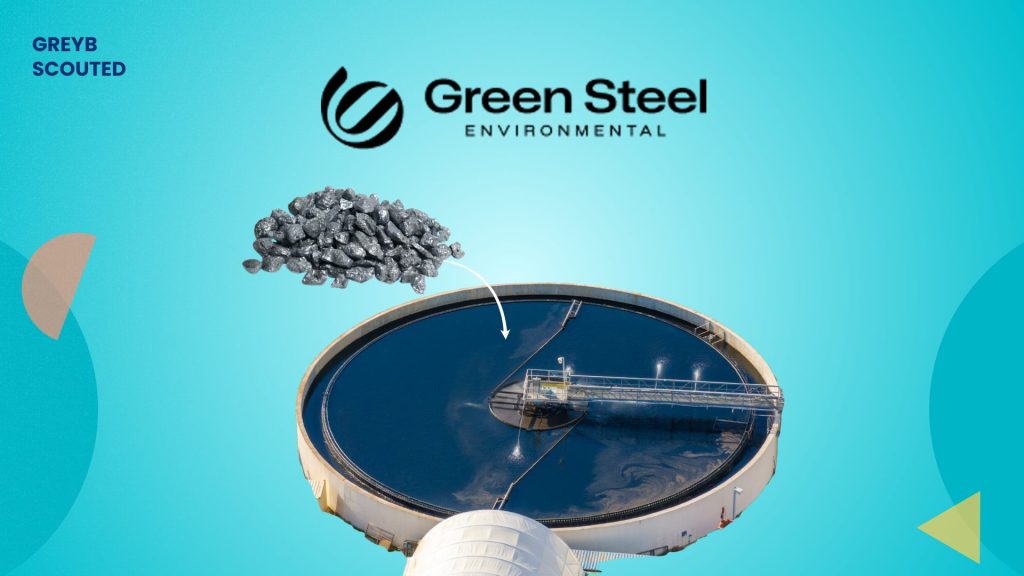
Phosphorus and sulfur pollution from wastewater is driving serious environmental and economic problems. Excess phosphorus is the main driver of toxic algal blooms in lakes and rivers. It damages ecosystems,