Modern agriculture runs on nitrogen or Ammonia. But its major production method, the Haber-Bosch process, is at odds with industry sustainability goals. Synthetic fertilizers produced by this process deliver the
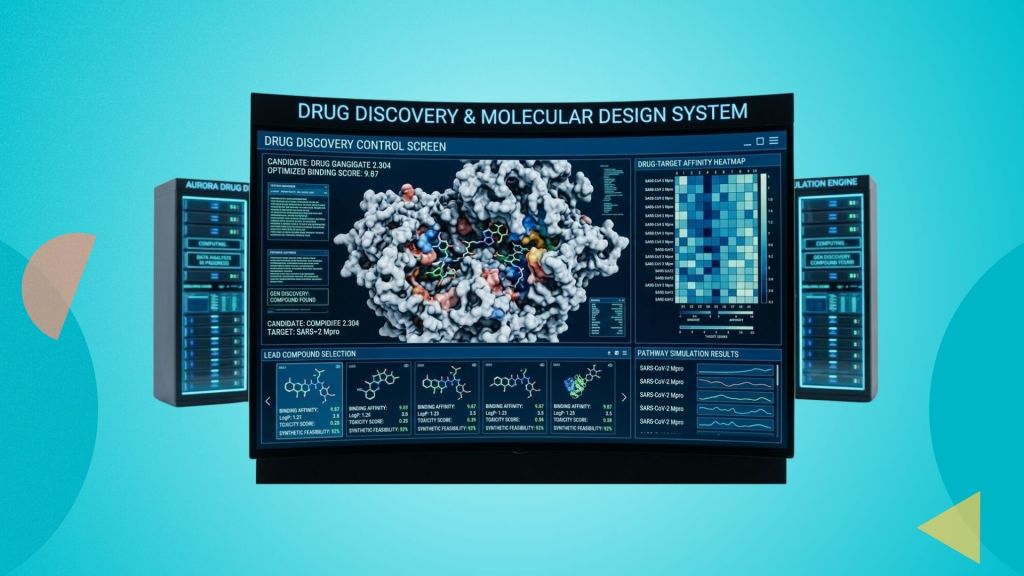
If drug discovery is your bread and butter, you might already know that drug development often takes a decade of research and billions in investment before the drug reaches the
Companies are leveraging artificial intelligence to create an innovative platform replicating the human immune system in a petri dish. This groundbreaking approach aims to accelerate drug development and facilitate safer
Fusion energy has long been regarded as the “holy grail” of clean power. In theory, it offers abundant, carbon-free electricity from the same process that powers the sun. In practice,
Core electrode technology has barely evolved since the 1960s. Today, activated electrodes are slow and costly to produce. They depend on precious metals like platinum and ruthenium. These electrodes also
Heavy industries are among the biggest sources of CO₂ emissions worldwide. Industries like cement, power generation, pharmaceuticals, and steel can’t easily eliminate these emissions because carbon is released as part
The world relies heavily on polystyrene and foamed plastic for protective packaging. Around 15 million kilograms of polystyrene are produced every year for packaging alone. However, increasing regulations across regions
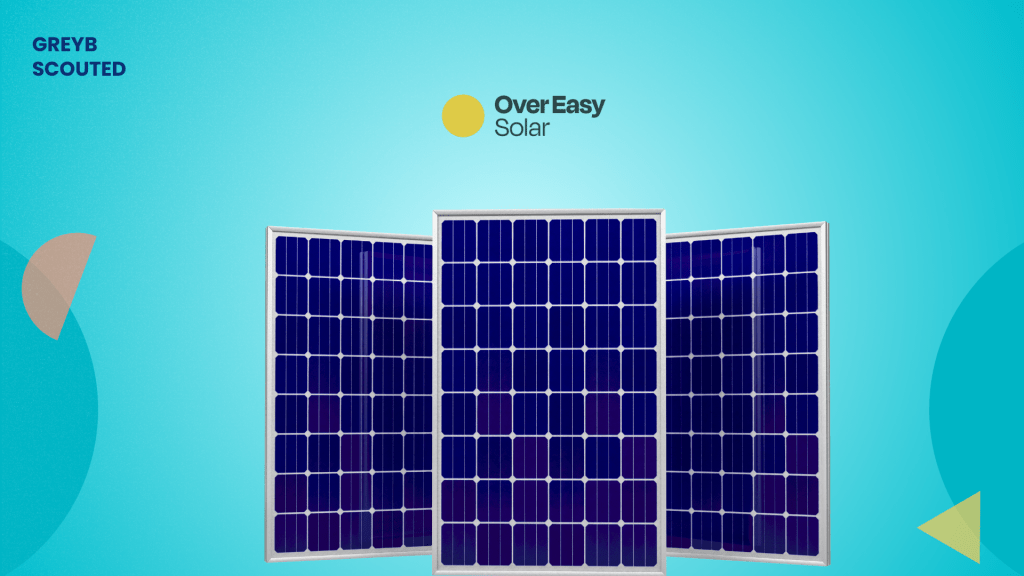
The world is rapidly adding solar capacity, but rooftop solar still faces structural and economic problems. Conventional panels are heavy, require roof penetration, and generate most of their power at
For years, the food industry has struggled to balance health, taste, and sustainability. Rising rates of metabolic disorders, diabetes, and gut health issues have pushed brands to reformulate products. However,
Despite decades of progress in oncology, outcomes for some of the deadliest cancers have barely changed. According to the American Association for Cancer Research, pancreatic cancer still has a five-year
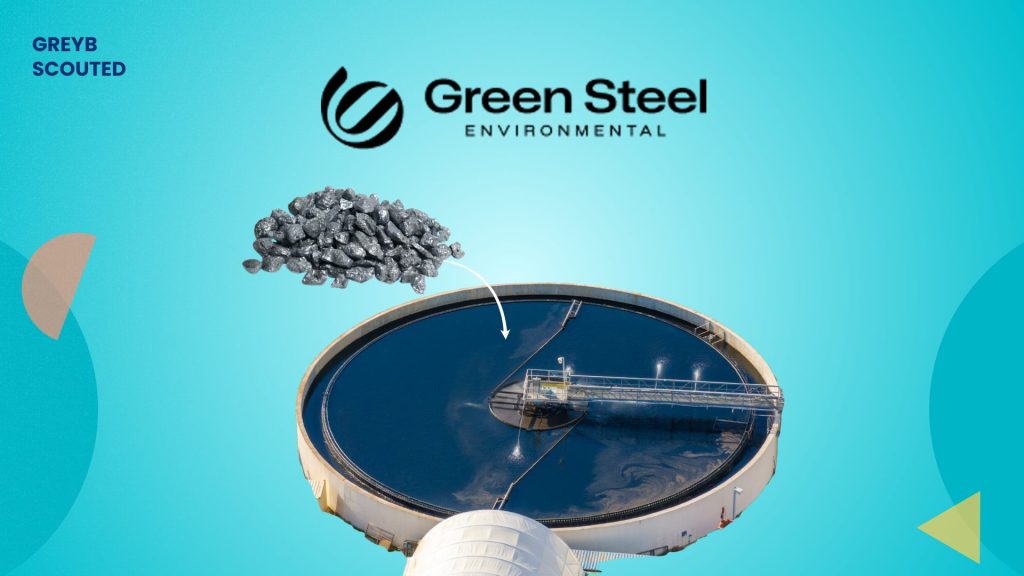
Phosphorus and sulfur pollution from wastewater is driving serious environmental and economic problems. Excess phosphorus is the main driver of toxic algal blooms in lakes and rivers. It damages ecosystems,
Across industries like energy, transport, and chemicals, a significant problem persists. Most industrial components still rely on chemical coatings that are material-intensive, emission-heavy, and inefficient. According to global materials reports,
Across the world, electricity grids are under growing stress. Overloaded transformers, rising outages, and reliability risks are becoming more common. Modernizing just the US grid alone could cost upwards of
The most visible trend in cultivated pet food is not replacement, but integration. Early products rarely attempt to substitute conventional meat entirely. Instead, cultivated proteins are introduced as functional components
Lithium refining is highly water-intensive. It requires up to 2.1 million liters of water per ton of lithium produced. In regions such as the South American highlands, this contributes to
One of the most persistent issues in solar energy is the loss of efficiency due to dirt and dust accumulation on solar panels. Dust buildup can decrease a solar panel’s