




The two main coffee species consumed globally are Arabica and robusta, which are highly impacted by climate change. Out of the 124 known coffee species, 75 (60%) are under threat of extinction. Conventional coffee production also has high carbon emissions and problems in the supply chain.
This article explores the sustainable biotechnological inventions developed by cutting-edge coffee startups like Amatera, Another Foods, Atomo Coffee, and Northern Wonder to address these issues in the coffee industry.
1. Amatera has created a climate-resistant coffee plant.
| Website | https://www.amatera.bio/ |
| Founders | Omar Dekkiche and Lucie Kriegshauser |
| Funding | $ 1.7M (Preseed round) |
| Technology | Non-GMO Breeding platform for plant selection |
Amatera, a company based in France, has created a non-GMO breeding platform for perennial crops using tissue culture. They use molecular biology to develop climate-resistant crops from plant cell cultures. The company has successfully created a Robustica variety that rivals Arabica cup quality.
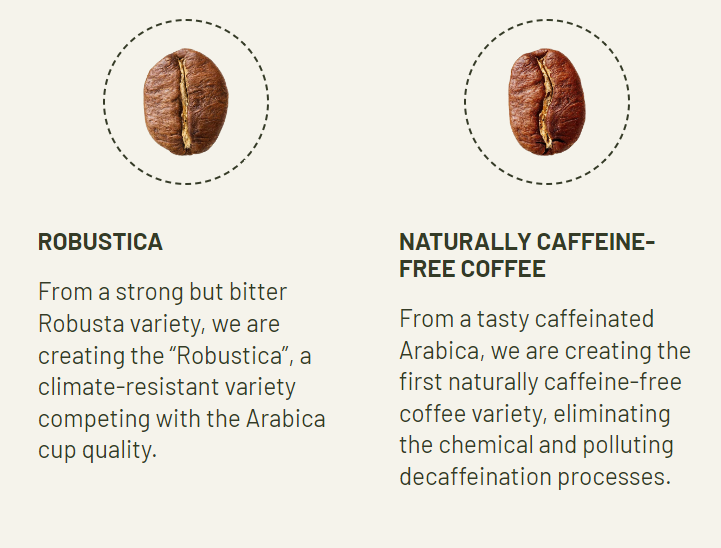
They have also created natural caffeine-free coffee from Arabica, which solves problems like the use of chemicals and pollution associated with the conventional decaffeination process. The company also partners with other agri-food companies like Paulig to quickly generate new and perennial crop varieties.
2. Another Food specializes in Lab-based coffee cultivation.
| Website | https://www.anotherfood.co/ |
| Founders | Stephane Chen |
| Funding | N/A |
| Technology | Cell Culture for Coffee Cultivation |
Another Food uses cell culture to cultivate coffee. Their process includes taking a small cell and reproducing the natural growth of coffee cells by cultivating them in a nutrient solution.
The technology delivers natural-identical coffee, which is more eco-friendly. The production process also ensures a sustainable supply of high-quality coffee.
3. Atomo Coffee creates sustainable coffee substitutes using upcycled ingredients.
| Website | https://www.atomocoffee.com/ |
| Founders | Jarret Stopforth and Andy Kleitsch |
| Funding | $53.2M (Series A) |
| Technology | Coffee substitutes using upcycled ingredients |
Atomo Coffee tackles the supply chain and sustainability issues associated with the coffee industry. They have created coffee with the same molecular structure using different natural ingredients.
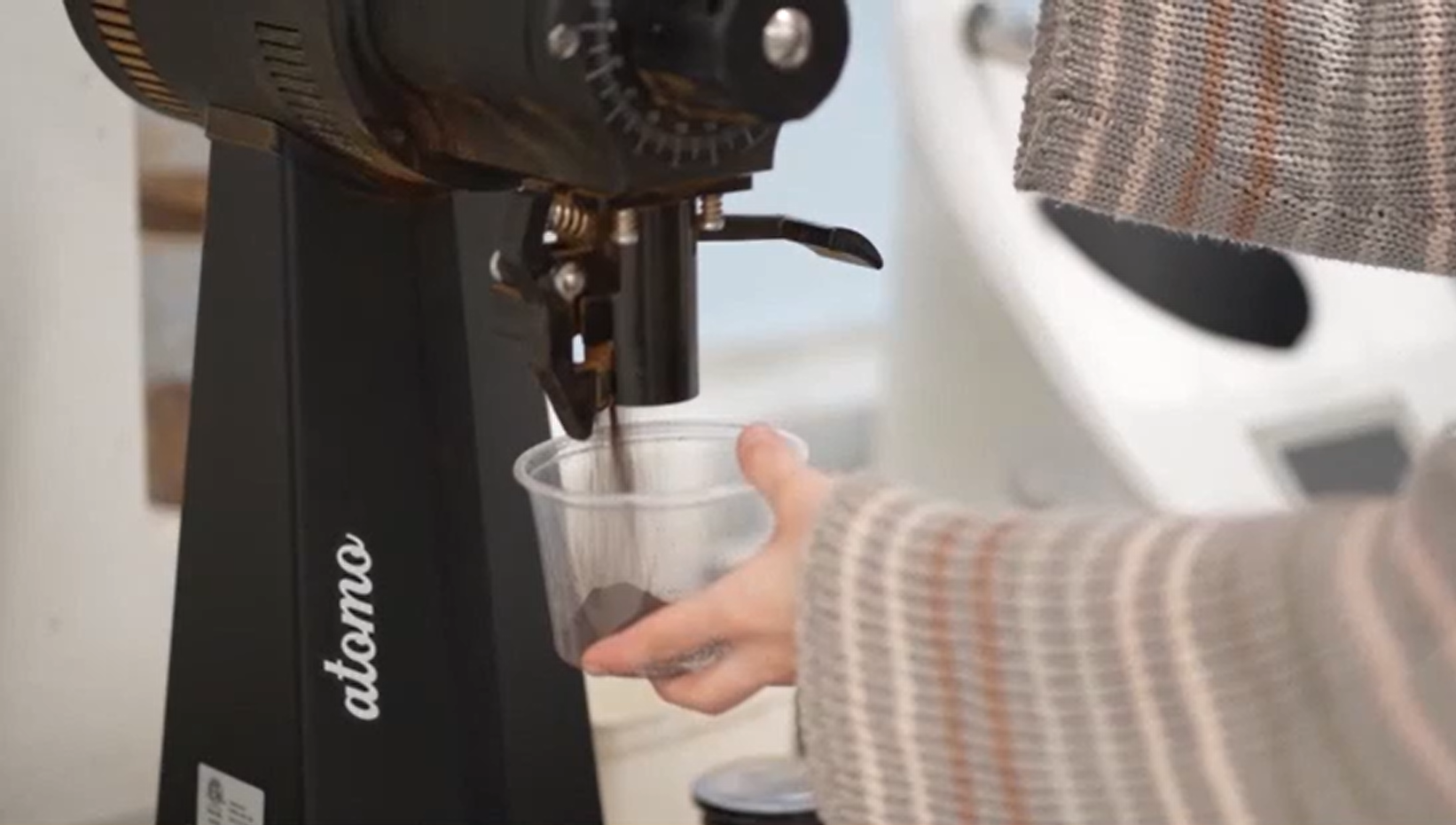
The ingredients used by Atomo are Date Seed, Ramon Seeds, Sunflower Seed Extract, Fructose, Pea Protein, Millet, Lemon, Guava, Defatted Fenugreek Seeds, Caffeine, and Baking Soda. Their process is beneficial as it uses upcycled ingredients, contributes to a circular food system, reduces food waste, and allows coffee production without deforestation.
It has also filed patents for this technology, which produces coffee substitutes using natural ingredients.
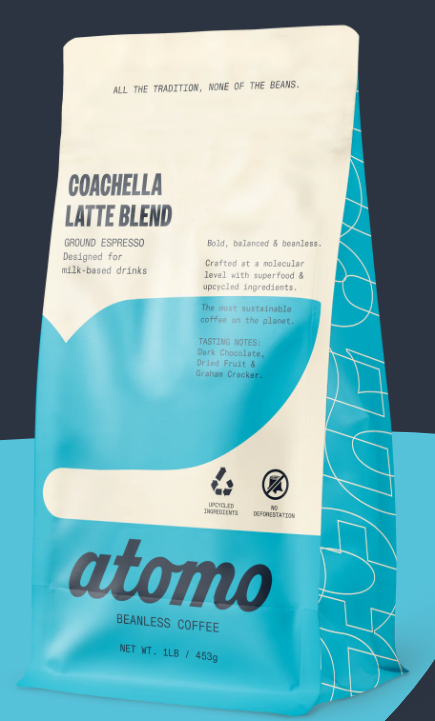
Beanless coffee prepared by Atomo
4. Northern Wonder makes a sustainable coffee substitute from plants.
| Website | https://northern-wonder.com/ |
| Founders | Andreas Giel , Bas Franse , Onno Franse , and David Klingen |
| Funding | €1M (Preseed round) |
| Technology | Fine-tuning natural molecules to create coffee-free coffee |
Based in the Netherlands, Northern Wonder has developed coffee using local, non-tropical ingredients.
The company has also collaborated with Wageningen University & Research to identify plants that can replicate the coffee flavor. To create coffee-free coffee, they fine-tune a combination of natural molecules. They have also conducted a life cycle assessment, which indicated that North Wonder Coffee has a lower carbon footprint and is more environment-friendly in terms of lesser water and land use.
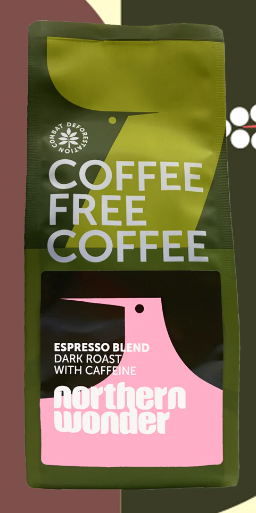
Coffee free Coffee prepared by Northern Wonder
Future Scope
These biotechnological inventions can be expanded to a broader range of crops and regions, scaling production processes for industrial applications and fostering partnerships with major food and agriculture companies.
By integrating these solutions more widely, R&D leaders can significantly reduce carbon footprints, conserve water, and lessen land use, ultimately contributing to a more sustainable agricultural ecosystem.
While looking for startups in the coffee industry, you often face difficulties in:
- Navigating a fragmented market with numerous players,
- Separating hyped claims from real solutions,
- Assessing scalability, sustainability, and regulatory compliance,
- Evaluating the true potential for commercial success and long-term viability.
GreyB’s analysts can help you cut through the fluff and solve these challenges effortlessly. Fill out the form below to schedule a discussion with our experts today.
Authored by: Preeti Lata
Edited by: Hemanth Shenoy, Market Research