


The growing emphasis on sustainability and the circular economy has pushed the packaging industry towards recyclable and bio-based solutions.
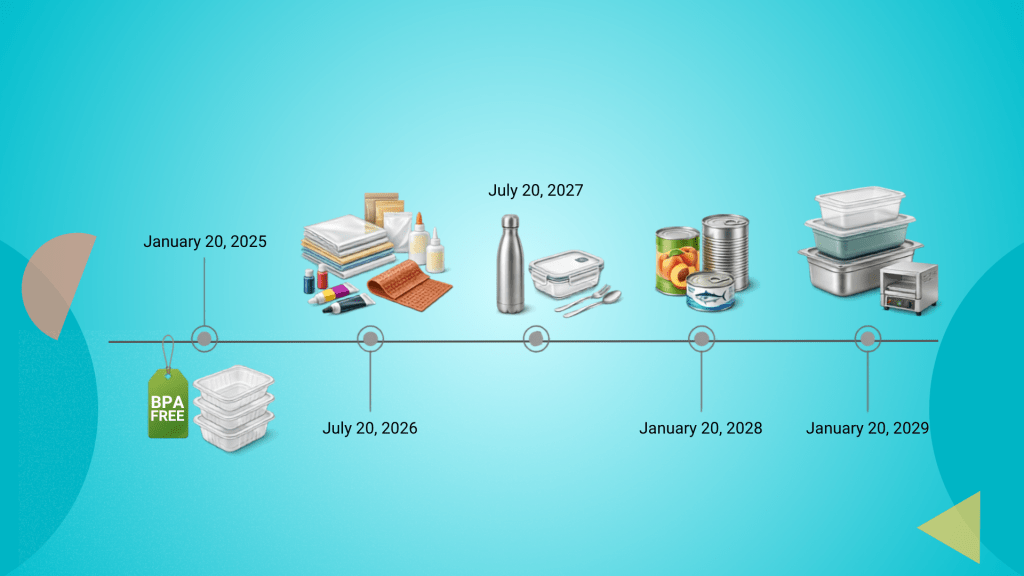
Governments worldwide, including the USA, Canada, and Europe, have also implemented regulations to promote circular packaging practices. This regulatory push has created a favorable environment for businesses to adopt circular packaging and align with the principles of the circular economy.
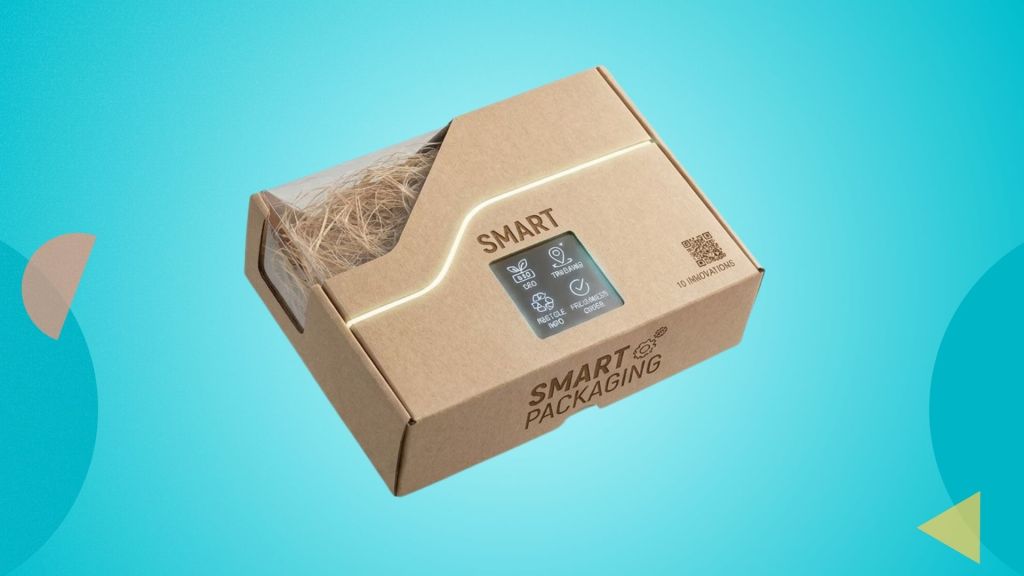
While circular packaging is significant, it is just one aspect of a much broader packaging industry. Our Packaging Trends report provides valuable insights into various packaging trends and developments.

What are the recent developments in Circular Packaging?
Recent developments in circular packaging reveal a growing trend toward bio-based packaging technology.
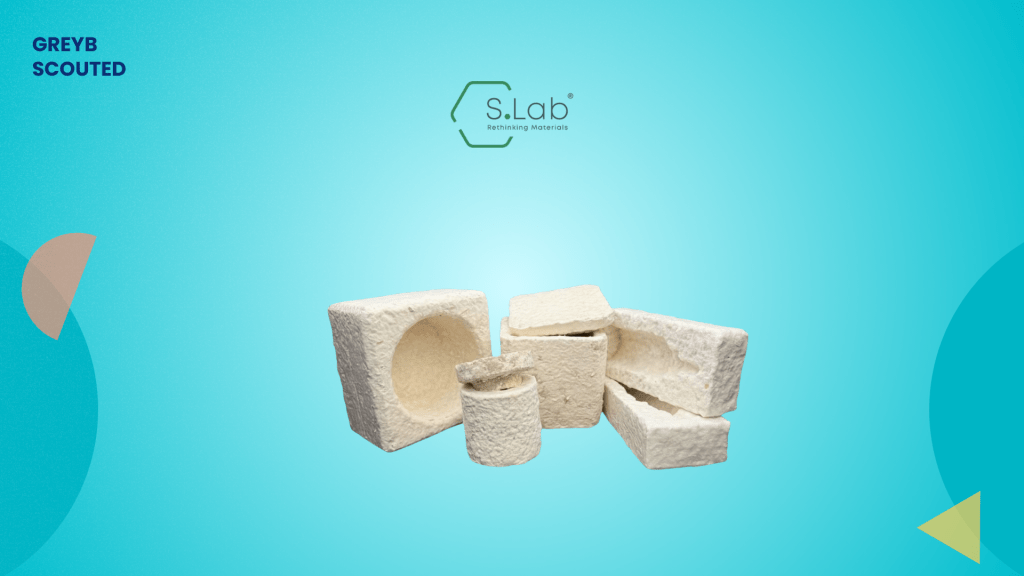
Notably, there is a significant focus on Cellulose and chitosan-based packaging, accounting for about 30% of the patents in this area. Because of their availability, mass-production feasibility, and good biodegradability, these materials have attracted industry attention.
However, improvements in their mechanical, thermal, and barrier properties are necessary. Evidently, about 40% of the patents in this domain are dedicated to achieving these enhancements.
Here are some notable innovations in this domain –
Extracting Cellulose Nanocrystals from Paper and Pulp Industry Waste Sludge

Melodea, an Israel-based company, has successfully developed a system to extract cellulose nanocrystals (CNC) from paper and pulp industry waste sludge. These CNCs exhibit exceptional resistance to high humidity and effectively safeguard the packaged contents against oil, grease, water, and oxygen. Serving as a sustainable alternative to plastic and aluminum, these nanocrystals are used in the production of paper-based packaging materials.
Excitingly, Melodea has planned the launch of a manufacturing unit in the US by the first quarter of 2023. The primary focus is on using cellulose nanocrystals to develop non-toxic, barrier-coated paper-based food packaging products. This aligns with wider food packaging trends emphasizing sustainability alongside product protection and cost-efficiency.
Related Read
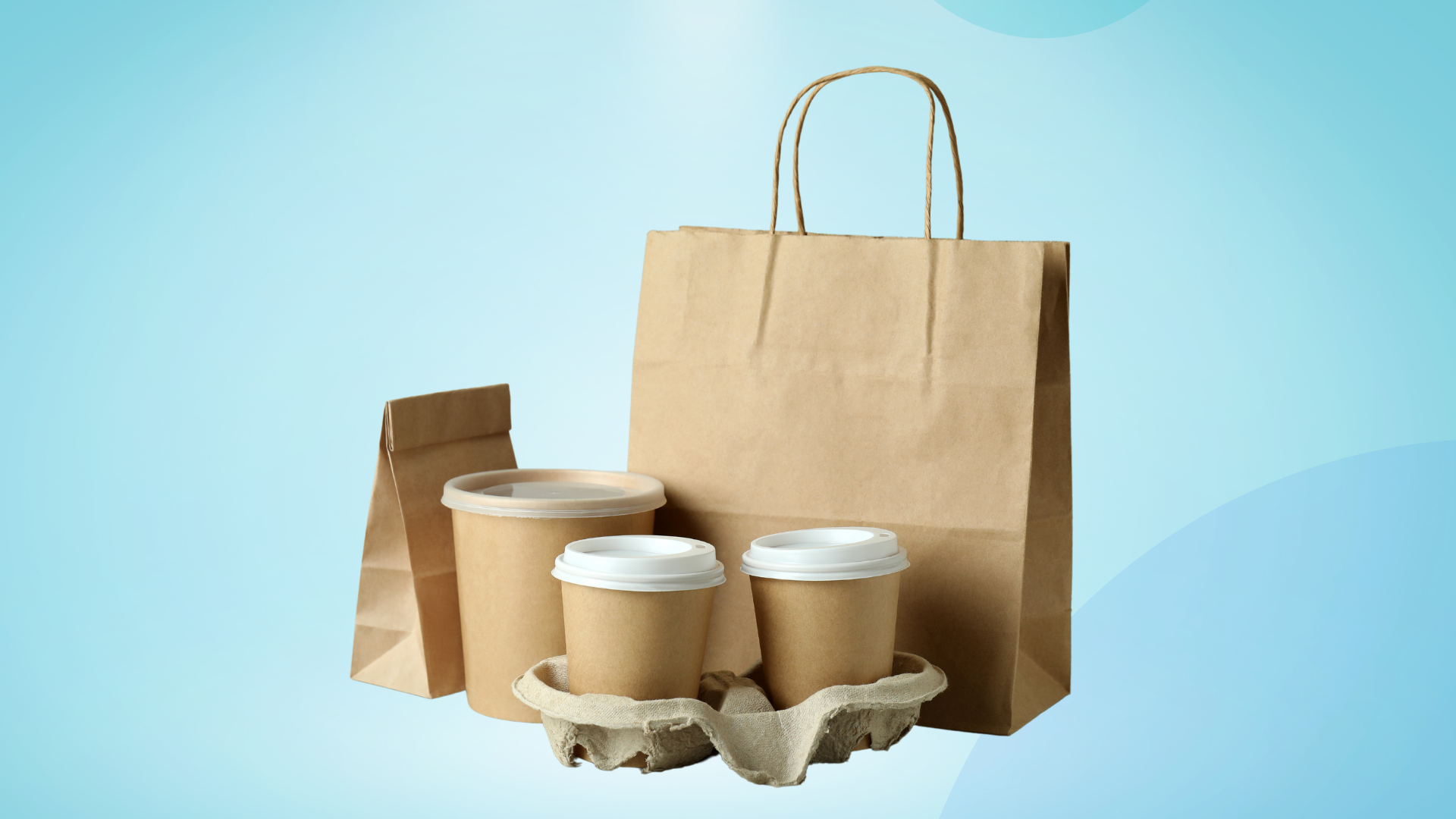
Chitosan-Lignin-Ramie Fiber Composite Ideal For Meat Packaging
Researchers from Shandong University and Qingdao University in China have collaborated on a study to enhance the tensile strength and thermal stability of packaging film for meat using Chitosan-Lignin-Ramie fiber composites.
The findings revealed that the inclusion of ramie fiber (20 wt%) significantly increased the tensile strength of the film by 29.6%. Moreover, adding lignin (20 wt%) enhanced the film’s antioxidant activity by 288% and reduced water absorption by 41.2%.
These remarkable improvements make the composite an excellent choice for meat packaging applications.
Who is working on Circular Packaging?

Significant Collaborations in Circular Packaging
Our research indicated that non-core companies are interested in driving innovation in the circular packaging domain. To achieve this, these companies are actively engaging in cross-industry collaborations. Here are a few noteworthy collaborations that have emerged recently –
Scientex & SABIC


SABIC, an Arabian chemical manufacturing company, has partnered with Scientex, a Malaysian plastic manufacturing company, to develop packaging materials using advanced recycled ocean-bound plastics (OBP). This collaborative effort incorporates SABIC’s certified circular polypropylene (PP) to create sustainable packaging solutions.
Flexible Packaging Association & University of Florida


The Flexible Packaging Association, a prominent advocate and representative of the U.S. flexible packaging industry, has joined forces with the University of Florida to develop the Regenerative Robust Gasification process. This innovative collaboration aims to convert challenging-to-recycle packaging materials into valuable methanol, which can be used as a feedstock.
Is government funding paving the way for Government-Private associations?
The Government of Canada is investing $8.2 million to support the scaling of sustainability operations in the food packaging industry. Sustainable food packaging solution provider Friendlier has received a $500,000 investment from the Government of Canada to standardize its reusable takeout packaging system nationwide.
Unified Flex Packaging Technologies (UFPT) has also received a $4 million investment from the Government of Canada to expand the manufacturing of recyclable films used in food packaging and pouches.
Meanwhile, the U.S. Department of Agriculture (USDA) has announced a $9.5 million investment to support the growth of sustainable bioproduct manufacturing in the country. Virginia Polytechnic Institute and State University has been awarded funding for a project to convert food waste, including packaging materials, into biodegradable bioplastics.
In the UK, Innovate UK has allocated up to £2.5 million from the Smart Sustainable Plastic Packaging Programme to fund early- and mid-stage projects in circular packaging.
These government initiatives across different continents demonstrate significant interest and commitment to transitioning to circular packaging. As a result, more government-private partnerships in this domain will emerge in the near future.
Conclusion
With cross-industry collaborations and strong government support, the field of circular packaging continues to make significant strides.
The future holds immense potential for companies working in circular packaging, with a wide range of applications and an increasing market demand.
Authored By: Ambuj, Navjit, and Sushant, Patent Intelligence
Edited By: Ridhima, Marketing